€90,000+ High Paying Jobs in the Netherlands with Visa Sponsorship in 2025
I. Introduction
The Netherlands is rapidly emerging as Europe’s tech hub and a gateway to international careers, making it a top destination for professionals seeking high-earning roles with visa sponsorship. With its vibrant startup ecosystem, global corporate presence, and progressive employment policies, the Dutch job market is booming for ambitious candidates targeting €90,000+ salary opportunities, especially in tech, finance and engineering domains.
In this comprehensive guide you will discover:
- why the Dutch job market is especially attractive for high earners and international talent;
- where to find roles that offer €90k+ salaries with visa sponsorship and how to position yourself for them;
- how the visa and immigration system supports skilled professionals;
- key sectors, salary benchmarks, and employment growth trends you should know.
Quick stats: while the overall average gross annual salary in the Netherlands is around €44,000-€50,000. In high-demand fields such as AI/data science and cybersecurity, mid-to-senior roles often reach the €65,000-€100,000+ range. The expat-friendly job market continues to expand: for example, tech opportunities for skilled migrants are increasingly featuring visa sponsorship and relocation support.
Whether you’re an experienced professional eyeing a high-compensation role, or a specialist looking to relocate with visa support, this guide will map out your route into the Netherlands job market — focused on high-income potential, international mobility, and strategic career positioning.
II. Why Choose the Netherlands for High-Paying Careers?
A. Economic Powerhouse of Europe
The Netherlands is firmly positioned as one of Europe’s leading economies. With a gross domestic product (GDP) surpassing €1 trillion and ranked as the fifth largest economy in the EU, it offers a robust base for premium employment opportunities. In 2024 the country’s GDP per capita stood at roughly €63,000—more than 1.5 times the EU average—placing it 4th among EU nations for material prosperity.
The prevalence of multinational corporations underscores the Netherlands’ role as a business hub: in 2023 there were approximately 27,100 multinational enterprises operating in the country, accounting for about one-third of the Dutch business economy’s jobs. These firms span technology, manufacturing, specialised business services and wholesale, offering high-salary roles in global operations.
In the post-pandemic era the Dutch economy continues to show resilience and growth. Its strong export orientation, strategic location and innovation leadership reinforce its reputation as a destination for high income jobs and international career mobility.
B. Exceptional Quality of Life
For professionals pursuing €90,000+ salary opportunities, the Netherlands offers more than just compensation. The country is noted for its strong emphasis on work-life balance: according to Eurostat data the average working week (including part-time and full-time workers) in 2024 was approximately 32.1 hours—the shortest in the EU.
In addition, the Dutch population ranks top globally for non-native English proficiency: the country placed #1 in the 2024 EF English Proficiency Index, making it highly accessible for international professionals and expats expecting roles requiring English-speaking jobs.
Beyond hours and language, the Netherlands boasts world-class healthcare and education systems, extensive cycling infrastructure, and a highly stable socio-political environment. These factors enhance the appeal of international employment in the Netherlands—not merely for the job market but for overall living standards.
C. Tax Advantages for High Earners
One of the key differentiators for skilled international professionals is the Dutch tax regime tailored to attract talent. The trademark mechanism is the “30% ruling”, a tax facility allowing eligible highly skilled migrants to receive up to 30 % of their gross salary tax-free for a fixed period, as compensation for extraterritorial costs.
Eligibility requires meeting salary thresholds and being recruited from abroad or transferred from abroad—criteria that link directly to high salary jobs with visa sponsorship. For example, in 2025 the taxable salary threshold for qualified employees is €46,660.
While changes are incoming (from 2027 the tax-free portion will be reduced to 27 %), the regime remains a competitive advantage for international hires targeting net salary optimisation in the Netherlands job market.
Compared with many other Western European countries, the Netherlands’ tax advantages enhance the effective take-home pay, making relocation for high-earning roles more financially attractive.
D. Strategic Location Benefits
The Netherlands serves as a gateway to broader European markets. With its central geography in Northwest Europe, it offers direct connectivity via Amsterdam Schiphol Airport and well-developed logistics networks. It provides access to an estimated 95 million consumers within a 500 km radius—ideal for professionals in tech, logistics, supply chain and corporate strategy roles.
The country’s international business environment—not merely local but global—means that professionals with global career ambitions and visa-sponsored roles find the Netherlands especially advantageous. Being based here allows for leveraging Europe’s major economic zone while working for global enterprises headquartered or with major operations in the Netherlands.
In summary, when assessing the Netherlands for high-income international careers, the combination of economic strength, quality of life, tax incentives and strategic location makes it a compelling choice for professionals targeting €90,000+ salary levels, especially with visa sponsorship and global mobility in mind.
III. Understanding the Dutch Visa Sponsorship System
A. Highly Skilled Migrant Visa (Kennismigrant)
The Highly Skilled Migrant Scheme is the primary visa path for international professionals aiming for high-income roles and seeking visa sponsorship in the Netherlands job market (keywords: Netherlands work visa, high salary jobs Netherlands, visa sponsorship Netherlands).
Eligibility criteria and salary thresholds: As of 1 January 2025 the gross monthly salary requirement (excluding the 8% holiday allowance) is:
- € 5,688 for knowledge migrants aged 30 or older.
- € 4,171 for knowledge migrants younger than 30 years.
- A reduced salary criterion of € 2,989 (gross monthly) applies to recent graduates (within three years of graduation) under specific conditions.
These thresholds correspond roughly to annual salaries of €68,000+ and align with roles in the €90,000+ range when combined with bonuses and benefits — making this pathway relevant for professionals targeting high-earning employment Netherlands.
Fast-track processing (2-4 weeks): Companies holding “recognised sponsor” status can submit applications to the Immigration and Naturalisation Service (IND) and typically benefit from expedited review, enabling faster entry for qualified candidates. The recognised sponsor requirement ensures employer reliability and strengthens the visa sponsorship process.
Recognised sponsor requirements: The employer must be formally designated as a recognised sponsor by the Dutch authorities and must meet criteria including financial integrity, no severe violations of labour/immigration rules, and maintaining administrative records.
Family reunification provisions: Under this scheme the visa holder can bring dependent family members (spouse/partner and children) to the Netherlands. The spouse/partner is eligible to work and the children can attend Dutch education. This makes the Highly Skilled Migrant visa attractive for relocating international professionals targeting global careers Netherlands.
B. EU Blue Card
The EU Blue Card offers an alternative visa route for high earners in the Netherlands (keywords: EU Blue Card Netherlands, Netherlands highly skilled work permit, salary threshold Netherlands EU Blue Card).
Requirements for €90,000+ earners:
- A higher education diploma (three years of post-secondary studies) or equivalent professional experience (in certain cases) is required.
- The gross monthly salary threshold for 2025 is € 5,688 for applicants aged 30 and older (excluding the 8% holiday allowance).
- For recent graduates (within three years of graduation) a reduced threshold of € 4,551 applies.
Benefits over standard work permits:
- The Blue Card often allows mobility within the EU (after 18 months), making it appealing for professionals with pan-European career ambitions.
- It is designed for “knowledge workers” and aims to simplify visa sponsorship for high-skilled talent, tying into the demand for international employment Netherlands.
Mobility within the EU after 18 months & Permanent residence pathway (21 months): The EU Blue Card scheme enables mobility and paves the way toward permanent residence under European rules — useful for long-term career planning in Europe.
C. Orientation Year Visa (for Recent Graduates)
The Orientation Year Visa (also called “zoekjaar hoogopgeleiden”) is aimed at non-EU graduates from top universities and recent high-education degree-holders (keywords: orientation year visa Netherlands, graduate work permit Netherlands, recent graduate job search Netherlands).
Eligibility: Graduates who completed a degree at a Dutch higher education institute or at an institution ranked in the top 200 globally may apply. This visa grants a one-year job-search period in the Netherlands without a prior job offer.
Opportunity to transition to a skilled migrant visa: During or at the end of this orientation year, if the individual finds employment that meets the criteria for the Highly Skilled Migrant scheme or EU Blue Card, they can transition to that permit.
No job offer required initially: This feature makes it especially relevant for international graduates seeking to land a high-salary role or visa sponsorship in the Netherlands job market early in their career.
D. Intra-Company Transfer (ICT) Visa
The Intra‑Company Transfer Permit is tailored for multinational companies transferring employees from abroad into the Netherlands (keywords: ICT visa Netherlands, intra company transfer Netherlands, multinational relocation Netherlands).
For multinational company transfers: The scheme is used when a non-EU multinational transfers a manager, specialist or trainee to its Dutch branch.
Salary requirements for managers/specialists: The monthly gross salary thresholds align with those for the Highly Skilled Migrant route: € 5,688 (age 30+) and € 4,171 (under 30) from 1 January 2025.
Duration and extension options:
- For managers/specialists: up to 3 years.
- For trainees: up to 1 year.
The permit may be extended under certain conditions, subject to compliance and employer eligibility.
Rotation to Netherlands offices: The scheme supports intra-company mobility and is suited for professionals targeting corporate relocation Netherlands.
E. Start-Up Visa (for Entrepreneurs)
The Start‑Up Visa (residence permit for foreign start-ups) offers a route for non-EU entrepreneurs seeking to establish an innovative business in the Netherlands (keywords: startup visa Netherlands, netherlands entrepreneur visa, innovative business visa Netherlands).
Innovative business requirements: The applicant’s business idea must be innovative — meaning a product or service that is new to the Netherlands, uses new technology, or introduces novel organisation or marketing methods.
Facilitator partnerships: Applicants must partner with a recognised “facilitator” based in the Netherlands, who mentors and supports the start-up.
Investment/financial resources considerations: Applicants must show that they have sufficient funds to reside and live in the Netherlands during the start-up year. For example, preparatory guidance suggests funds equivalent to at least one year’s subsistence.
Transition to self-employment visa: The start-up visa is typically valid for one year; after that the entrepreneur may apply for a self-employment permit if the business has advanced appropriately.
This overview of visa routes provides a clear framework for international professionals targeting visa sponsorship jobs in Netherlands and €90,000+ salary employment Netherlands. Each permit type has specific criteria aligned to career stage, income level, corporate environment or entrepreneurship — matching the high-income job market in the Netherlands.
IV. Top 20 High-Paying Industries Offering €90,000+ Salaries
Below is a detailed breakdown of key industries in the Netherlands that offer €90,000+ salary opportunities, along with roles, salary ranges, and major employers. These sectors are central to the “high salary jobs Netherlands” and “premium employment Netherlands” ecosystem.
A. Technology & Software Development
Salary Range: €90,000 – €180,000+
Roles include: Software Architects and Lead Engineers; DevOps and Cloud Architects (AWS, Azure, GCP); AI/Machine Learning Engineers; Blockchain Developers; Cybersecurity Specialists.
Major employers in the Netherlands job market: Booking.com, Adyen, TomTom, ING Tech.
Salary evidence: For senior roles the Netherlands has reported salaries up to ~€120,000+ in tech, and in top companies even higher.
B. Data Science & Analytics
Salary Range: €85,000 – €160,000+
Roles include: Senior Data Scientists; Data Engineering Managers; Business Intelligence Directors; Analytics Team Leads.
Key companies: Uber, Netflix, Amazon (NL offices).
Data point: For data scientist roles the range in the Netherlands is estimated from ~€53,000 to ~€174,000 annually.
C. Finance & Banking
Salary Range: €95,000 – €250,000+
Roles include: Investment Bankers; Quantitative Analysts; Risk Management Directors; Treasury Managers; Portfolio Managers.
Major institutions: ING, ABN AMRO, Rabobank, BNP Paribas.
D. Consulting (Management & Strategy)
Salary Range: €90,000 – €200,000+
Roles include: Senior Consultants and Managers; Strategy Directors; Digital Transformation Specialists; Change Management Experts.
Firms: McKinsey, BCG, Bain, Deloitte, PwC.
E. Legal Professions (International Law)
Salary Range: €100,000 – €300,000+
Roles include: Corporate Lawyers (M&A, Commercial); International Arbitration Specialists; IP and Technology Law Experts; Compliance Directors.
Top firms: De Brauw, NautaDutilh, Allen & Overy.
F. Engineering (Various Disciplines)
Salary Range: €85,000 – €150,000+
Roles include: Senior Civil Engineers; Electrical Engineering Managers; Chemical Process Engineers; Aerospace Engineers; Renewable Energy Engineers.
Companies: ASML, Shell, Airbus, Philips.
G. Oil, Gas & Energy Sector
Salary Range: €95,000 – €180,000+
Roles include: Petroleum Engineers; Renewable Energy Project Managers; Energy Trading Specialists; Offshore Installation Managers.
Major players: Shell, BP, Vattenfall.
H. Pharmaceutical & Biotechnology
Salary Range: €90,000 – €170,000+
Roles include: Clinical Research Directors; Regulatory Affairs Managers; Pharmacovigilance Specialists; Drug Development Scientists.
Key companies: Johnson & Johnson, Pfizer, Novartis.
I. Healthcare & Medical Specialists
Salary Range: €100,000 – €250,000+
Roles include: Specialist Physicians (Cardiologists, Radiologists); Anesthesiologists; Surgeons (various specialties); Medical Directors; Healthcare Consultants.
J. Supply Chain & Logistics Management
Salary Range: €85,000 – €140,000+
Roles include: Supply Chain Directors; Global Logistics Managers; Procurement Heads; Operations Excellence Directors.
Companies: DHL, Maersk, KLM Cargo.
K. Sales & Business Development (Enterprise)
Salary Range: €90,000 – €200,000+ (base + commission)
Roles include: Enterprise Account Executives; Regional Sales Directors; Channel Development Managers; Business Development VPs.
Especially in SaaS and Tech Sales Leadership.
L. Product Management
Salary Range: €90,000 – €160,000+
Roles include: Senior Product Managers; Head of Product; Product Strategy Directors; Platform Product Owners.
Tech companies and scale-ups particularly in Netherlands.
M. Marketing & Growth Leadership
Salary Range: €85,000 – €150,000+
Roles include: Chief Marketing Officers (scale-ups); Growth Marketing Directors; Brand Strategy Directors; Digital Marketing VPs; Performance Marketing Heads.
N. Architecture & Urban Design
Salary Range: €80,000 – €140,000+
Roles include: Senior Architects (Commercial/Residential); Urban Planning Directors; Landscape Architects (Senior); Sustainable Design Specialists.
Major firms: OMA, MVRDV, UNStudio.
O. Aviation & Aerospace
Salary Range: €95,000 – €200,000+
Roles include: Commercial Airline Pilots; Aircraft Maintenance Engineers; Aviation Safety Directors; Aerospace Project Managers.
Companies: KLM, TUI fly, Transavia.
P. Academia & Research (Senior Positions)
Salary Range: €75,000 – €130,000+
Roles include: Associate/Full Professors; Research Group Leaders; Postdoctoral Researchers (experienced).
Universities: TU Delft, University of Amsterdam, Leiden.
Q. Creative & Design Leadership
Salary Range: €80,000 – €140,000+
Roles include: Creative Directors (Agencies); UX/UI Design Directors; Brand Design Heads; Experience Design Leaders.
Agencies: MediaMonks, 72andSunny.
R. Real Estate & Property Development
Salary Range: €85,000 – €160,000+
Roles include: Real Estate Development Managers; Property Investment Directors; Asset Management Specialists; Commercial Real Estate Brokers.
S. Telecommunications
Salary Range: €90,000 – €150,000+
Roles include: Network Architecture Directors; Telecom Project Managers; 5G Implementation Specialists.
Companies: KPN, Vodafone, T-Mobile NL.
T. E-commerce & Digital Platforms
Salary Range: €90,000 – €170,000+
Roles include: E-commerce Directors; Marketplace Platform Managers; Digital Operations Heads.
Companies: bol.com, Coolblue, Zalando.
Each of these industries represents a distinct pathway to achieving €90k+ salary employment Netherlands, especially when combined with visa sponsorship, technical expertise, leadership capability and global company presence.
V. Major Cities and Their Industry Strengths
A. Amsterdam
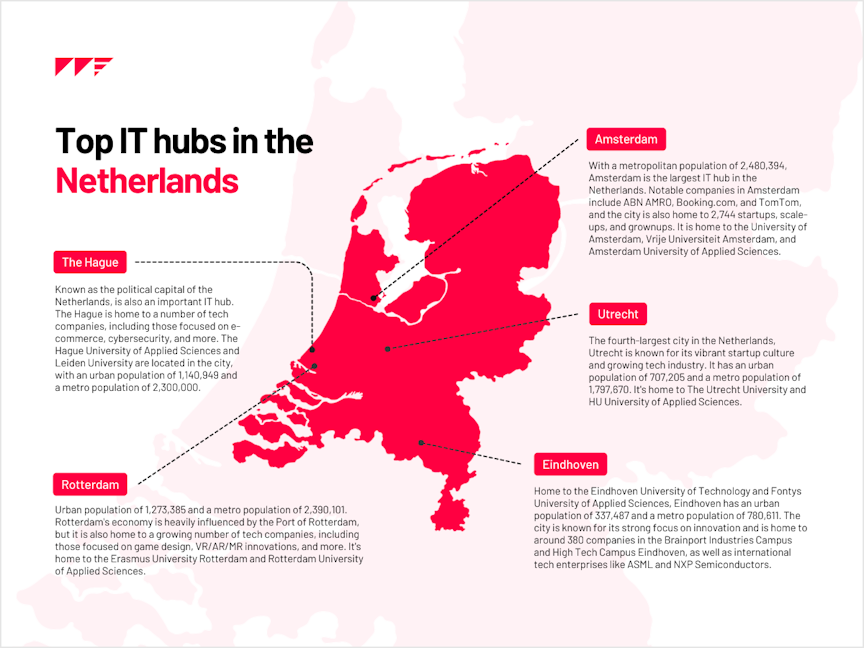
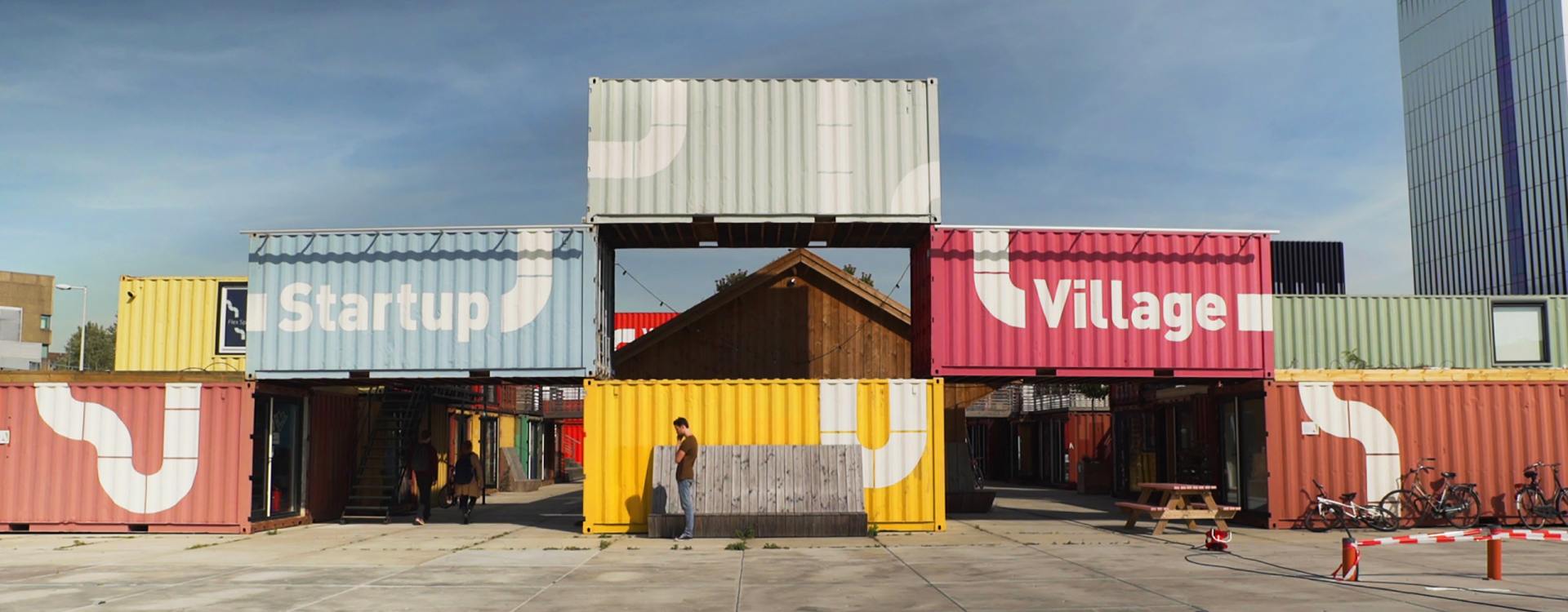



Industry profile: Amsterdam is the Netherlands’ leading hub for technology and startups, with a vibrant ecosystem described by many as a Northern-Europe “Silicon Canals”. It also hosts major European headquarters in finance and banking, and a strong creative and advertising sector.
Salary premium: Data show that average salaries in Amsterdam are approximately €53,000 per annum, above the national average of ~€41,500. Given the premium for senior roles and international talent, compensation for “high salary jobs Netherlands” in Amsterdam can exceed national norms by 10-15% or more.
Top neighbourhoods for professionals: Areas such as Zuidas (financial district), Oost (east) and the canal belt offer proximity to multinational firms, tech campuses and creative studios. For those targetting “€90,000+ salary opportunities Netherlands”, positioning oneself in Amsterdam gives access both to the international business environment and the “job market Netherlands high-income” pool.
B. Rotterdam
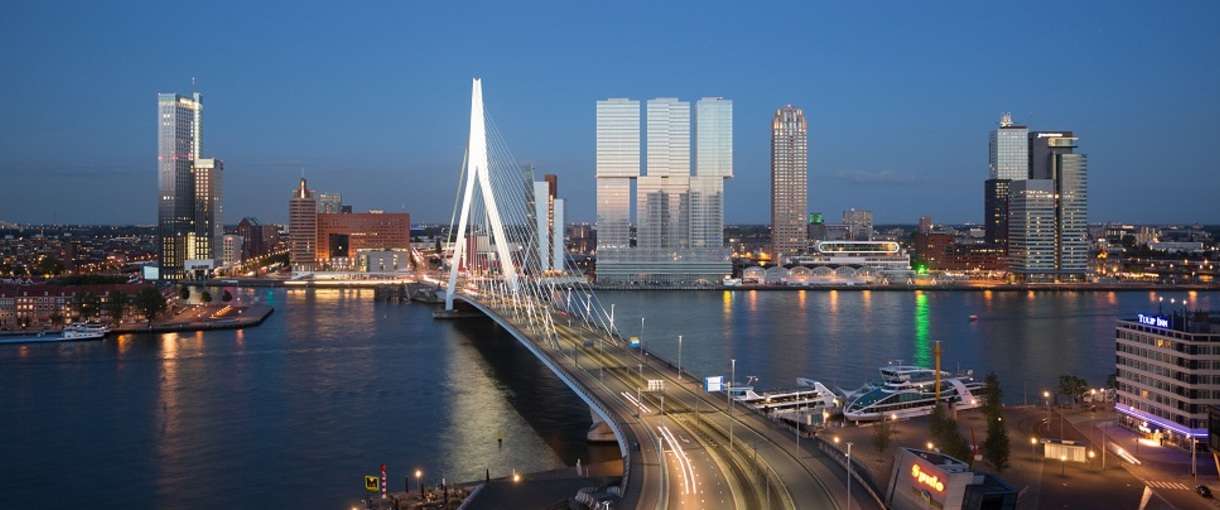





Industry profile: Rotterdam is the Netherlands’ major port and logistics hub — home to the Port of Rotterdam, Europe’s largest seaport, serving as a nexus for trade, maritime industries, energy and chemical processing. The city also features strong architecture and design sectors, leveraged by its post-industrial regeneration and innovative urban projects.
Sector strengths: Key fields include maritime logistics, chemical and refining industries, port operations and supply-chain functions. For international professionals seeking roles in “logistics manager Netherlands”, “maritime industry Netherlands salary” or “chemical engineering Netherlands high earnings”, Rotterdam presents differentiated opportunities.
Affordability & work-life: Compared to Amsterdam, Rotterdam offers somewhat more affordable residential options while still retaining excellent connectivity to industry. This makes it a viable choice for professionals targeting high-income roles but preferring slightly lower cost of living.
C. The Hague (Den Haag)

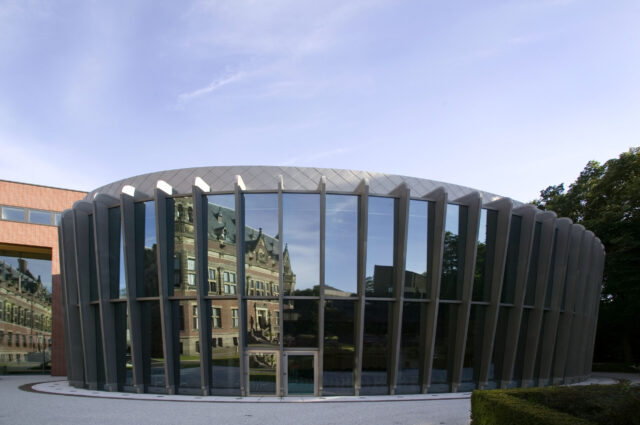
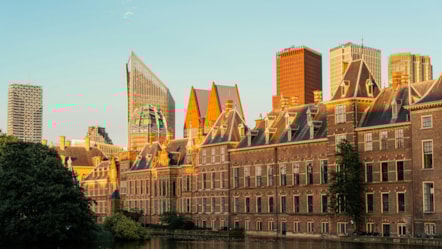
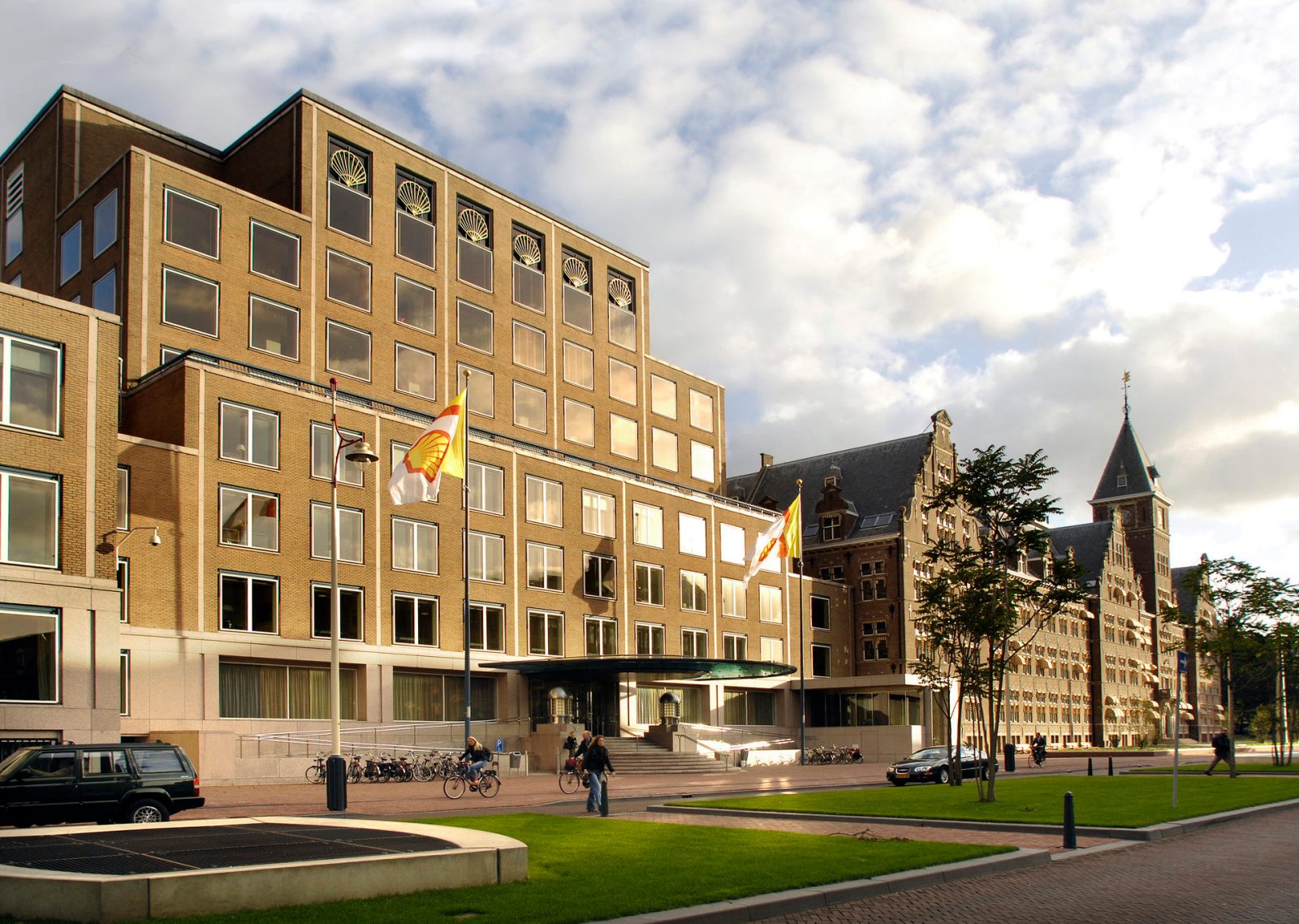


Industry profile: The Hague is internationally recognised as the “international city of peace and justice”, hosting agencies such as the International Criminal Court and other major institutions. It also accommodates significant energy sector headquarters and institutions in government, policy and diplomacy.
Segments of interest: Key employer clusters encompass international law (compliance, arbitration), government and policy institutes, energy and sustainability offices, as well as FinTech and legal-tech given the mix of legal and technology functions. Professionals targeting “international law careers Netherlands salary”, “energy sector Netherlands headquarters salary” or “expat jobs Netherlands The Hague” will find this city uniquely aligned.
Expat community & lifestyle: The Hague maintains a sizeable expat community (including diplomatic and international organisation staff), strong English-language infrastructure, and high stability — making it a compelling location for international professionals with visa-sponsored roles.
D. Eindhoven

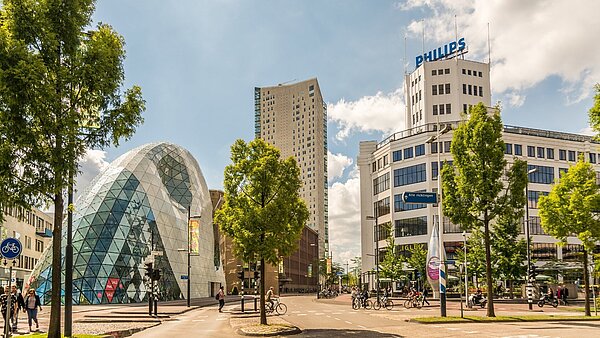

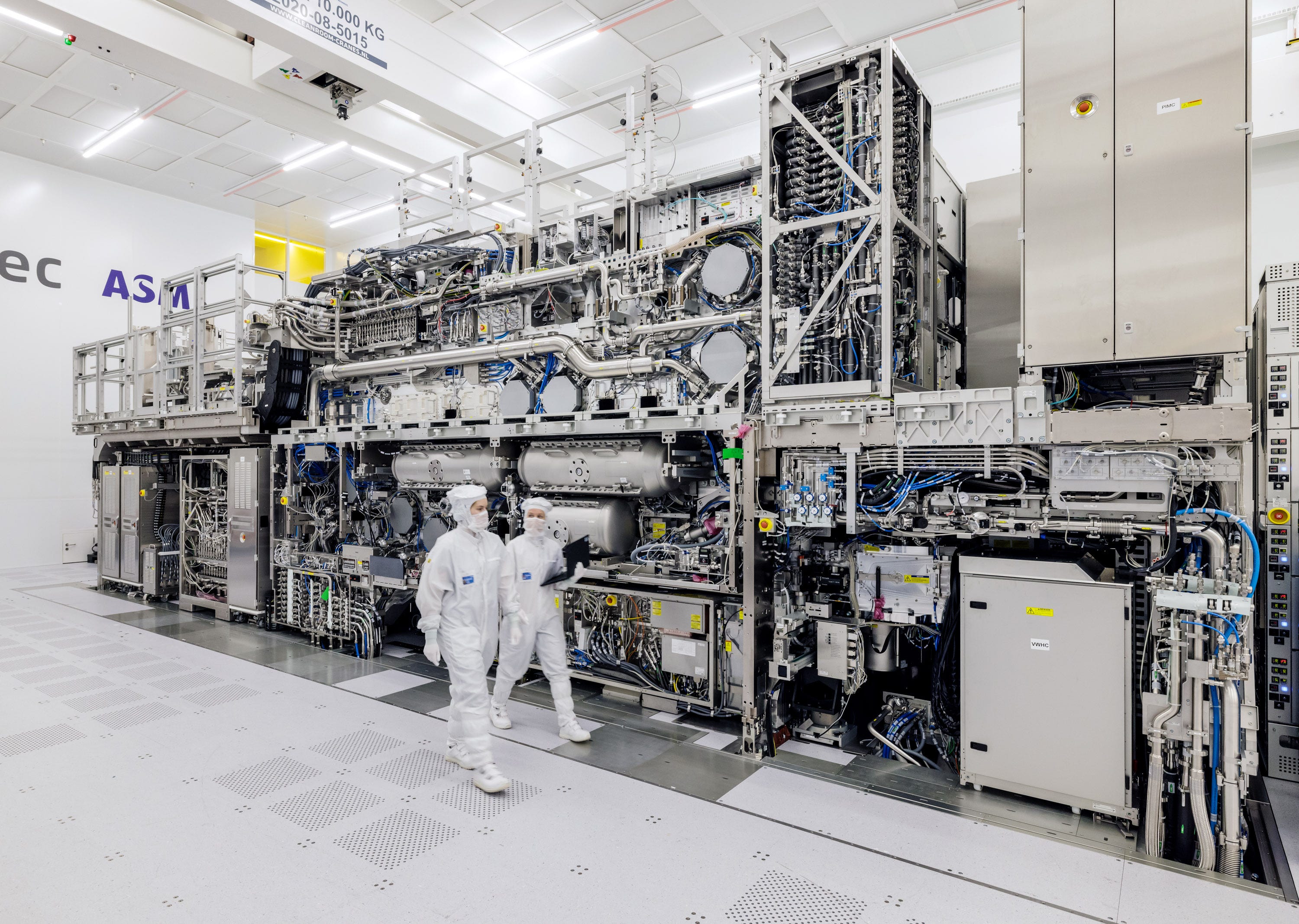
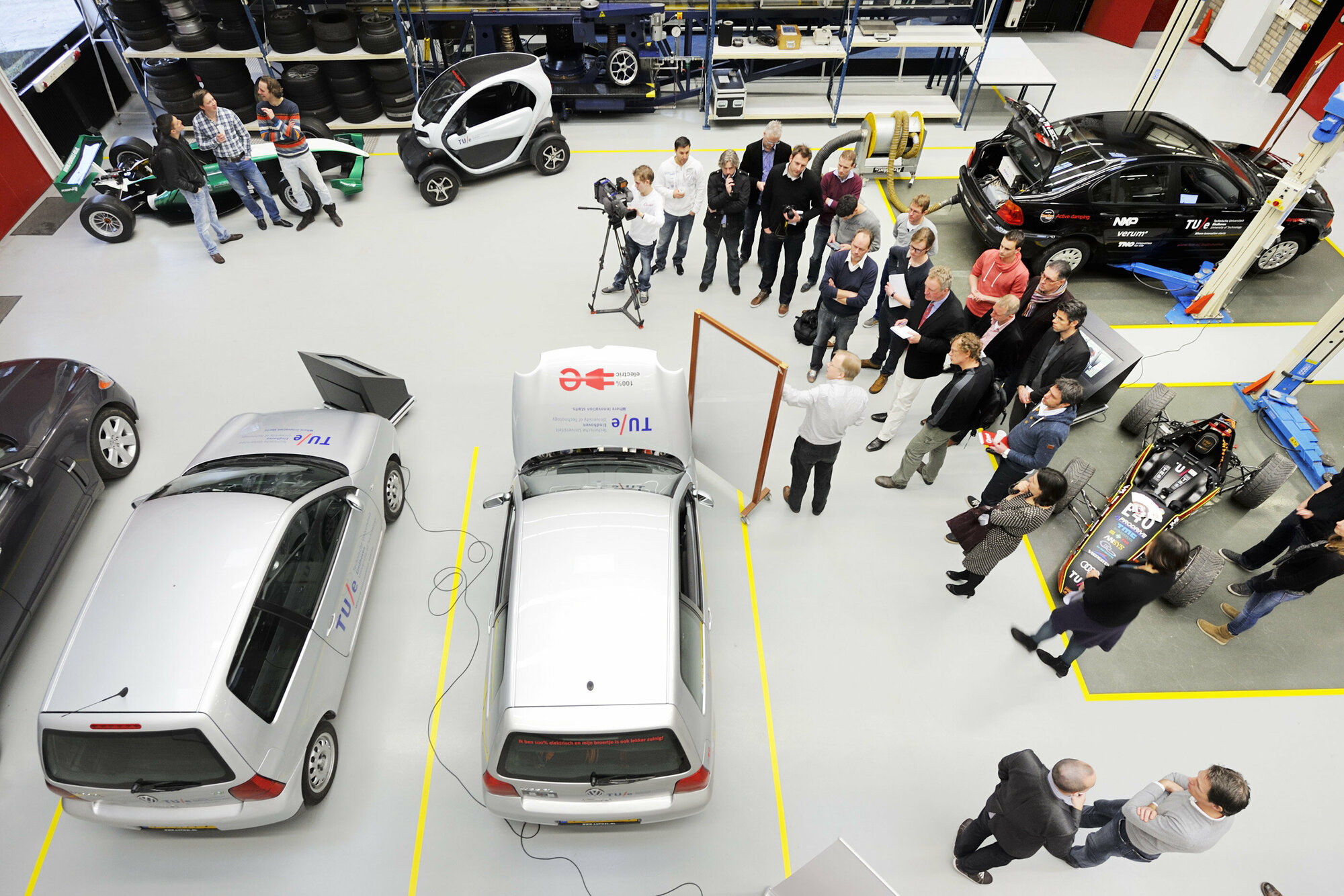

Industry profile: Eindhoven lies at the heart of the “Brainport” region — a high-tech manufacturing, semiconductors and advanced systems cluster in the Netherlands. The presence of major players like ASML and a national investment programme of €2.5 billion into the chip industry reinforce its strategic importance.
Strengths: Strong domains include high-tech manufacturing, semiconductor equipment, automotive technology, design & innovation. Professionals seeking “semiconductor engineer Netherlands salary”, “automotive tech Netherlands job”, or “advanced manufacturing jobs Netherlands high income” will find Eindhoven a strong option.
Quality of life & ecosystem: Though more affordable than Amsterdam, Eindhoven provides a thriving tech ecosystem, cross-discipline innovation (tech, design, manufacturing) and growing international mobility — suitable for visa-sponsored tech professionals aiming for “€90,000+ salary jobs Netherlands”.
E. Utrecht



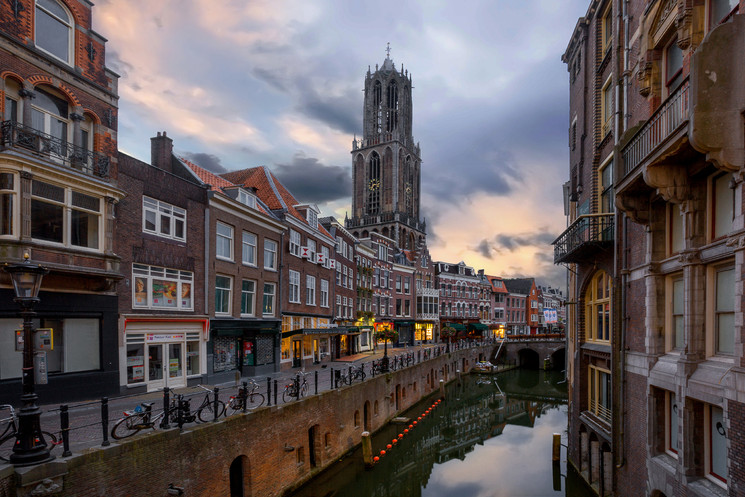
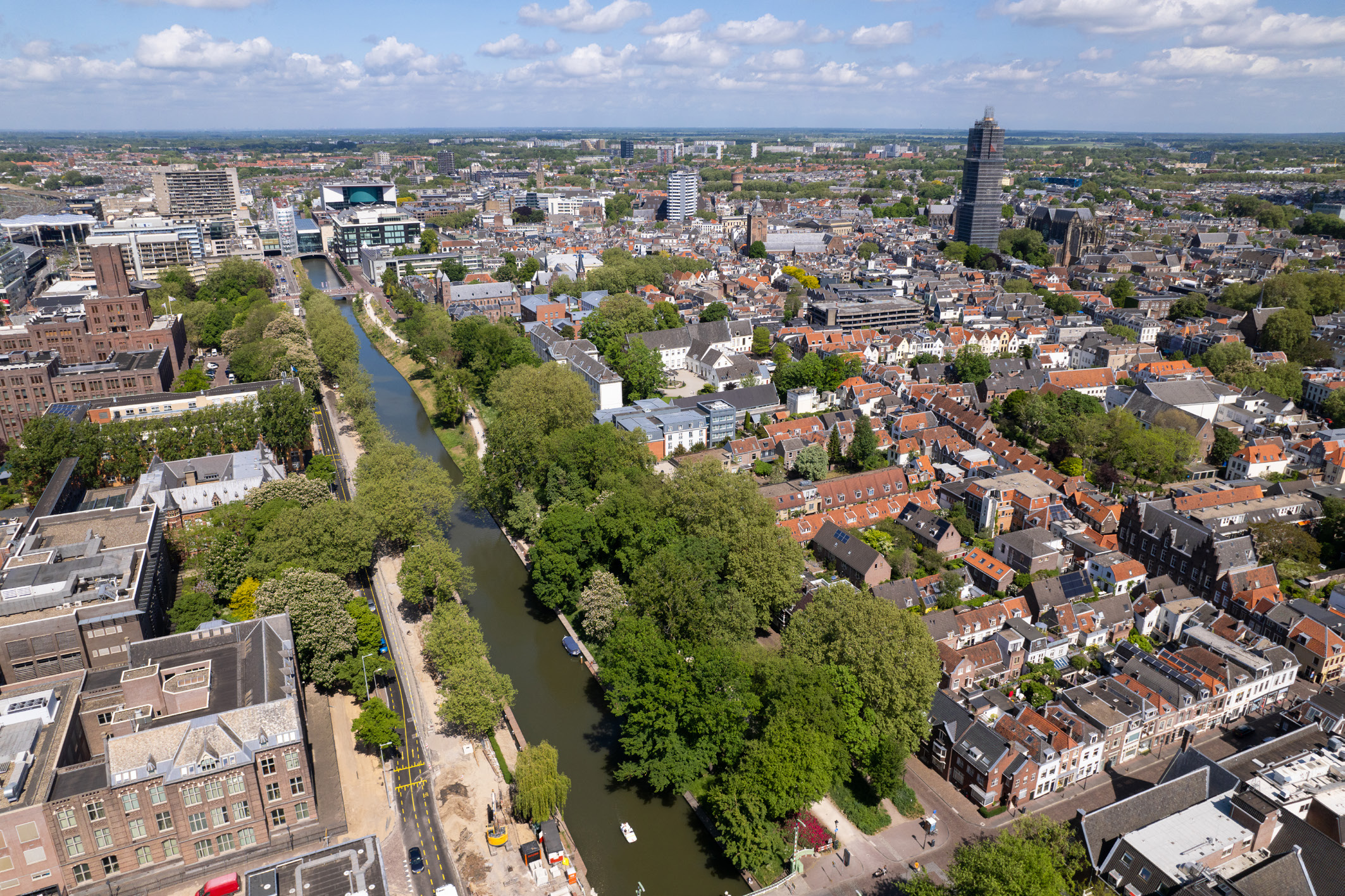

Industry profile: Utrecht is emerging as a centre for life sciences, pharmaceuticals, sustainable technology and startups. Its network includes the Utrecht Science Park and over 4,000 researchers in the life-science cluster.
Strategic advantage: Utrecht’s central location in the Netherlands means excellent accessibility to other major cities (Amsterdam, Schiphol Airport, etc.), which is valuable for professionals seeking “relocation Netherlands”, “life science Netherlands high salary”, or “sustainable technology jobs Netherlands”.
Growing ecosystem: The city boasts a growing startup scene, high quality of living and strong ties between research institutions and industry — making it a viable choice for international specialists targeting high-earning roles with visa-sponsorship.
Each of these cities presents distinct strengths when it comes to “job market Netherlands high compensation”, “visa-sponsored jobs Netherlands”, and “€90,000+ salary opportunities Netherlands”. By aligning your industry focus with the right city, you enhance your prospects of securing high-income employment in the Netherlands.
VI. Top Employers Offering Visa Sponsorship
Here are key companies in the Netherlands known for offering visa-sponsored jobs Netherlands, targeting international talent for high-income roles. These firms are often “recognised sponsors” under the Immigration and Naturalisation Service (IND) — a critical qualification for roles tied to “visa sponsorship Netherlands” and “high salary jobs Netherlands”.
A. Technology Companies
- Booking.com (Amsterdam) — A global tech firm in travel & e-commerce, widely cited as offering relocation support and visa-sponsorship for software, data and UX roles.
- Adyen (Amsterdam) — A fintech payments company recruiting international talent, with documented visa-sponsored offers.
- TomTom — A Netherlands-based mapping/tech company where roles in data and software engineering align with “high paying tech jobs Netherlands”.
- Uber (NL offices) — Multinational tech employer active in Amsterdam’s ecosystem, feeding into “tech jobs Netherlands salary”.
- Other tech & scale-up names: Atlassian, Elastic, MongoDB, and growing scale-ups like Mollie, MessageBird, WeTransfer — all relevant for “software engineer Netherlands visa” and “relocation jobs Netherlands”.
B. Financial Institutions
- ING Group — Large Dutch banking group with active international hiring in risk, finance and IT functions.
- ABN AMRO & Rabobank — Major Dutch banks recruiting highly skilled talent, contributing to “finance sector Netherlands high salary”.
- BNP Paribas Fortis, Deutsche Bank — International banks with Netherlands footprint, offering roles aligned with “quantitative finance Netherlands” and “visa sponsorship banking Netherlands”.
- Fintech: bunq, Tikkie — Emerging digital banks and payment platforms where international hiring adds to “fintech jobs Netherlands salary”.
C. Consulting Firms
- The “Big Four” — Deloitte, PwC, EY, KPMG — All have Netherlands offices and international career tracks with visa support, feeding into “consulting salary Netherlands” and “strategy jobs Netherlands”.
- Strategy & digital firms: McKinsey & Company, Boston Consulting Group (BCG), Bain & Company, Accenture, Capgemini — These align with “management consulting Netherlands salary” and “visa-sponsored consulting Netherlands”.
D. Energy & Industrial
- Shell Netherlands — Global energy firm in the Netherlands, known to actively recruit highly skilled migrants and sponsor visas for engineering and management roles with high remuneration.
- BP, TotalEnergies — Large energy firms with operations in the Netherlands offering “engineering jobs Netherlands high salary”.
- High-tech/industrial: ASML (semiconductors), Philips, Siemens, Akzo Nobel, DSM — These companies fit “industrial engineering Netherlands salary” and “advanced manufacturing Netherlands jobs”.
E. Pharmaceutical & Healthcare
- Johnson & Johnson, Pfizer, MSD, Novartis, Roche — All international pharma companies with Netherlands operations, relevant for “biotech jobs Netherlands salary” and “clinical research roles Netherlands visa”.
- Philips Healthcare — Combines healthcare technology and medical devices within the Netherlands, aligning with “health tech jobs Netherlands high salary”.
F. E-commerce & Retail
- bol.com — Netherlands’ largest e-commerce platform, offering international roles in tech, logistics, analytics with visa-support, feeding into “ecommerce jobs Netherlands salary”.
- Coolblue, Wehkamp — Large Dutch retail/e-commerce firms recruiting internationally.
- Rituals, HEMA — Major retail/consumer brands headquartered in the Netherlands, offering higher level roles (marketing, product, digital) which align with “retail management salary Netherlands” and “global brand jobs Netherlands visa”.
Each of these employers offers significant potential for professionals seeking international careers Netherlands, visa sponsorship jobs Netherlands, and €90,000+ salary employment Netherlands. When exploring job listings, look specifically for roles citing “IND-recognised sponsor” or “Highly Skilled Migrant visa eligible” to maximise chances of securing visa-supported positions.
VII. Salary Breakdown and Compensation Packages
Compensation for high-skilled professionals in the Netherlands is among the most competitive in Europe, especially for roles linked to visa sponsorship Netherlands, €90,000+ salary jobs, and high income expat careers Netherlands. The total remuneration package typically includes a mix of base pay, bonuses, equity, and generous employee benefits — all contributing to strong net income potential, particularly under the 30% ruling.
A. Base Salary by Experience Level
Salaries in the Netherlands increase significantly with seniority and specialization. Below is a factual breakdown across experience levels for industries such as technology, finance, and consulting:
| Level | Typical Range (€) | Description |
|---|---|---|
| Junior / Senior (3–5 years) | €70,000 – €90,000 | Common for mid-level engineers, analysts, or consultants in high-demand sectors such as IT, fintech, and engineering. |
| Mid-Senior (5–8 years) | €90,000 – €120,000 | Experienced professionals managing projects or small teams, often in tech, data science, or business development. |
| Senior (8–12 years) | €120,000 – €160,000 | Department leaders, senior specialists, or architects commanding high salaries in fields like AI, finance, and legal services. |
| Lead/Principal (12+ years) | €160,000 – €200,000+ | Senior management or domain leaders driving strategy and innovation. |
| C-Level / Executive | €200,000 – €500,000+ | Executives in global companies, often eligible for performance bonuses, stock, and long-term incentive plans. |
Keywords: salary breakdown Netherlands, executive compensation Netherlands, high income Netherlands professionals, tech salary Netherlands, expat salary Netherlands.
B. Additional Compensation Components
High-paying roles in the Netherlands typically include several variable and non-cash benefits, which significantly increase total compensation:
- Annual Bonuses: Usually 10–30% of base pay; performance-based in finance, consulting, and management roles.
- Stock Options / Equity: Common in tech companies Netherlands (Adyen, Booking.com, ASML) and scale-ups, offering long-term value growth.
- Signing Bonuses: Typically €5,000–€25,000 for in-demand professionals or senior hires.
- Relocation Packages: Between €5,000–€15,000, covering visa fees, flights, and temporary housing.
- Performance-Based Incentives: Linked to KPIs or company profits; prevalent in sales and executive roles.
C. Standard Benefits Package
Dutch employers provide comprehensive employee benefits to ensure work-life balance and financial security. These are mandated or customary in high-salary jobs Netherlands:
- Vacation Days: Legal minimum is 20, but high-level roles usually include 25–30 days annually.
- 8% Vacation Allowance (Vakantiegeld): Paid once a year, typically in May, equal to 8% of annual gross salary.
- Pension Contributions: Employers often match or contribute 50–70% of pension payments.
- Commuting Allowance or NS Business Card: Covers transport costs, especially for professionals commuting between Dutch cities.
- Work-from-Home Stipend: Typically €2–€2.50 per day, supporting hybrid work setups.
D. Premium Benefits for High Earners
Top-tier professionals — particularly those in €90,000+ salary Netherlands positions — often enjoy premium, non-mandatory perks:
- Company Car or Mobility Budget: Common in management, consulting, and sales roles.
- International Health Insurance: Coverage beyond Dutch basic insurance, useful for expatriates and executives.
- Gym Memberships and Wellness Programs: Promoted by large employers like ASML and Deloitte.
- Learning & Development Budgets: €2,000–€5,000 annually for certifications, MBA courses, or executive education.
- Flexible Working Arrangements: Hybrid or fully remote models, increasingly standard in the tech and consulting sectors.
- Sabbatical Options: Offered to senior employees after 5–10 years of service.
E. The 30% Ruling Impact
The 30% ruling is a key fiscal advantage for international professionals relocating to the Netherlands, significantly improving net salary outcomes.
- Overview: Allows 30% of gross income to be tax-free for eligible skilled migrants.
- Eligibility: Applies to foreign employees recruited from abroad earning above a government-specified salary threshold (~€46,107 in 2025 for professionals aged 30+).
- Duration: Up to 5 years, provided eligibility conditions remain valid.
- Example:
- A gross salary of €100,000 becomes €70,000 taxable, effectively increasing take-home pay by €10,000–€15,000 annually.
- Tax Savings: Estimated 15–20% higher net income versus standard taxation — one of Europe’s most attractive expat incentives.
A professional earning a €90,000+ salary Netherlands package benefits not only from high gross income but also from extensive perks — including bonuses, relocation aid, pension, and substantial tax relief under the 30% ruling. These elements make the Netherlands one of the most financially rewarding destinations for global talent seeking visa-sponsored employment Netherlands and long-term career growth in Europe.
VIII. Qualification Requirements and Skills
To secure €90,000+ salary jobs in the Netherlands with visa sponsorship, candidates must meet a combination of educational, professional, technical, and interpersonal qualifications. Dutch employers, especially those hiring under the Highly Skilled Migrant visa program, prioritize internationally experienced professionals with advanced degrees, specialized skills, and proven leadership capabilities.
A. Educational Requirements
For most high-income roles in the Netherlands, education is a key determinant of employability and salary level.
- Minimum Requirement: A Bachelor’s degree from an accredited institution is essential for most high-paying positions. However, a Master’s degree or higher is often preferred, particularly in finance, engineering, law, and data science.
- Recognized International Qualifications: Degrees from universities recognized by the Dutch Ministry of Education or global ranking bodies (e.g., QS, Times Higher Education) are typically accepted. Applicants from outside the EU may need to validate credentials through Nuffic (Netherlands Organization for International Cooperation in Higher Education).
- Professional Certifications: Industry-specific certifications significantly enhance earning potential and employability:
- Technology: AWS, Azure, CISSP, Google Cloud, or Kubernetes certifications.
- Finance: CFA, ACCA, CPA, FRM.
- Project Management: PMP, PRINCE2, or Agile certifications.
- Engineering: Chartered Engineer (CEng), Six Sigma, or ISO compliance certifications.
- Credential Evaluation Process: International degrees may require credential assessment to confirm equivalence to Dutch standards before applying for visa-sponsored roles.
B. Professional Experience
For €90K+ salary roles Netherlands, practical experience and demonstrated impact carry as much weight as academic credentials.
- Minimum Experience: Most employers expect at least 5–8 years of relevant industry experience for high-paying positions.
- International Exposure: Professionals with global experience or those who have worked in multinational environments are highly valued. This aligns with the Netherlands’ role as a European hub for international business.
- Leadership and Management: Roles offering six-figure salaries typically demand proven management capability, including team leadership, project oversight, and strategic planning.
- Niche Expertise: Deep specialization in high-demand domains such as AI, fintech, energy transition, or biotechnology can substantially raise salary potential.
C. Language Requirements
While English fluency is the de facto standard for most international jobs, some sectors benefit from Dutch proficiency.
- English Proficiency: Most high-level jobs require C1–C2 fluency, as over 90% of professionals in the Netherlands speak English. Documentation, reporting, and client communication are predominantly in English in global firms.
- Dutch Language: Knowledge of Dutch is not mandatory for visa sponsorship or most expat positions, but it provides an advantage for integration, local networking, and managerial roles dealing with Dutch clients.
- Additional Languages: Fluency in German, French, or Spanish is an added advantage in multinational operations or EU-focused trade.
- Employer Support: Many global employers, such as Philips, ASML, and Deloitte, offer Dutch language training programs as part of relocation or onboarding packages.
D. Technical Skills by Industry
High-paying jobs in the Netherlands are skill-intensive, with clear demand patterns across industries. Candidates with advanced technical proficiency often command premium compensation and better visa sponsorship prospects.
- Technology & Software Development:
Proficiency in Python, Java, JavaScript, React, Angular, Node.js, DevOps, Kubernetes, and cloud platforms (AWS, Azure, GCP) is highly sought after. Experience in cybersecurity, AI, and machine learning offers top-tier earning potential. - Finance & Banking:
Advanced knowledge of financial modeling, quantitative analysis, risk management, compliance, and data analytics tools (Excel VBA, SQL, R) is essential. Familiarity with Basel III, IFRS, and ESG finance frameworks adds competitive advantage. - Data Science & Analytics:
Expertise in Python, R, SQL, Spark, Tableau, Power BI, and Big Data technologies (Hadoop, Databricks) is required for data leadership roles. Statistical and machine learning model deployment experience is a top differentiator. - Engineering & Manufacturing:
Competence in CAD software (AutoCAD, SolidWorks), simulation tools (MATLAB, Simulink), Lean Six Sigma, and project management platforms (Primavera, MS Project) is crucial for high-level engineering positions in ASML, Shell, and Philips.
E. Essential Soft Skills
Beyond technical excellence, high-earning professionals in the Netherlands must demonstrate advanced soft skills that align with the country’s collaborative and innovation-driven work culture.
- Cross-Cultural Communication: The Dutch workplace is diverse and international. Professionals must effectively collaborate across cultures and time zones.
- Stakeholder Management: Essential for roles in consulting, project management, and client-facing functions.
- Strategic Thinking: Employers value candidates who can align business goals with market trends and technological innovation.
- Adaptability and Resilience: Flexibility to operate in dynamic, hybrid work environments and respond to market change.
- Team Leadership: Building, mentoring, and managing diverse teams effectively remains key for senior roles.
To secure a visa-sponsored €90K+ job in the Netherlands, candidates must combine advanced education, solid international experience, technical expertise, and strategic soft skills. Employers prioritize professionals who can contribute to global operations while integrating seamlessly into the Dutch work culture — making adaptability, multilingual communication, and leadership critical differentiators in the high salary Netherlands job market.
IX. Application and Recruitment Process
Securing a €90,000+ visa-sponsored job in the Netherlands requires a strategic and professional approach to job applications. Employers value well-prepared candidates who understand the local recruitment culture, documentation expectations, and communication etiquette. The process is typically structured, transparent, and merit-based — reflecting the country’s emphasis on efficiency and professionalism.
A. Job Search Strategy
An effective job search in the Netherlands relies on leveraging the right digital platforms and professional networks.
- LinkedIn Netherlands: The primary job search tool for international professionals. Over 90% of Dutch employers use LinkedIn to recruit talent, particularly for high-paying tech, finance, and consulting roles.
- Company Career Pages: Many organizations such as ASML, Booking.com, Adyen, ING, and Philips post openings directly on their websites, often marking roles as “visa sponsorship available” or “IND recognized sponsor.”
- Recruitment Agencies: Specialized firms like Robert Walters, Brunel, Michael Page, and Undutchables assist expats in finding high-salary Netherlands jobs and handling relocation logistics.
- Networking Events & Tech Meetups: The Netherlands hosts regular industry events in cities like Amsterdam and Eindhoven (e.g., TechLeap, TNW Conference, and Brainport Meetups) where professionals can meet recruiters and hiring managers.
- Referral Programs: Many Dutch companies encourage employee referrals, which can increase interview chances by up to 40%.
B. Crafting Your Dutch Job Application
Applications for high-paying jobs Netherlands must follow local standards while showcasing international expertise and visa eligibility.
- CV Format: Use a 2–3 page CV with clear sections for experience, education, and skills. Dutch employers prefer concise, factual summaries over creative formatting. Avoid adding a photo unless requested.
- Motivatiebrief (Motivation Letter): The Dutch equivalent of a cover letter, typically one page, should clearly express why you want to work for that company and how you fit the role. Tailor it to each employer.
- Highlight International Experience: Emphasize global projects, cross-border collaboration, and multicultural team leadership — key traits for €90K+ visa-sponsored positions Netherlands.
- Showcase Visa Eligibility: Mention if you qualify for the Highly Skilled Migrant Visa or EU Blue Card, as it signals lower administrative effort for employers.
- Portfolio Requirements: For creative or design roles, attach or link to an online portfolio that demonstrates tangible results and innovation.
C. The Interview Process
The Dutch hiring process is structured, transparent, and generally shorter than in other EU countries, typically lasting 3–6 weeks from application to offer.
- Initial HR Screening: A 20–30 minute virtual or phone interview assessing motivation, experience, and eligibility for visa sponsorship.
- Technical / Competency Interview: Conducted by senior professionals or managers. May include case studies, technical assessments, or coding challenges depending on the role.
- Case Studies or Assignments: Common in consulting, data analytics, and product management roles; applicants may be asked to prepare a presentation or report.
- Meet-the-Team Sessions: Designed to evaluate cultural fit and collaboration skills, particularly in cross-functional teams.
- Final Interview: With a hiring manager or department head, focusing on compensation expectations, relocation timelines, and long-term potential.
D. Remote Interview Best Practices
Many international professionals go through the entire recruitment process remotely before relocating. Attention to cultural and logistical details helps make a strong impression.
- Timezone Considerations: Always confirm interview times in Central European Time (CET/CEST).
- Video Setup: Ensure stable internet, professional background, and eye-level camera positioning. Employers value reliability and attention to detail.
- Understanding Dutch Business Culture: Research company values, hierarchy (which tends to be flat), and communication style — direct but respectful.
- Ask About Visa Sponsorship Timing: Politely confirm when and how the company initiates visa application procedures for international hires.
- Professional Follow-Up: Send a concise thank-you message within 24 hours, reaffirming interest and alignment with the company’s mission.
E. Negotiating Your Offer
Negotiation in the Dutch job market is professional and data-driven. Employers expect candidates to justify requests based on experience and market benchmarks.
- Salary Negotiation Tactics: Research median salaries using platforms like Glassdoor or CBS Netherlands before negotiation. For senior roles, it’s acceptable to request a 10–15% premium for specialized expertise.
- Discuss Benefits Beyond Base Salary: Include bonuses, 30% ruling eligibility, pension contributions, learning budget, and vacation allowance in your discussions.
- Relocation Assistance: Confirm the scope of relocation packages — visa fees, temporary housing, or family support.
- Start Date Flexibility: Most employers appreciate notice periods; negotiable start dates (typically 1–3 months) demonstrate professionalism.
- Written Confirmation: Always request an official offer letter specifying salary structure, 30% ruling clause, benefits, and visa sponsorship terms before signing.
Applying for visa-sponsored high-paying jobs in the Netherlands involves precision, strategy, and professionalism. From crafting a Dutch-standard CV and motivation letter to mastering remote interviews and salary negotiation, understanding the local recruitment culture is crucial. Candidates who present themselves as globally skilled, culturally adaptable, and visa-ready stand out strongly in the competitive Netherlands job market — particularly in technology, finance, and consulting sectors.
X. Visa Application Process: Step-by-Step
Obtaining a Dutch work visa for high-paying positions requires careful adherence to the procedures outlined by the Immigration and Naturalisation Service (IND). For professionals targeting €90,000+ roles with visa sponsorship, understanding each step ensures a smooth transition to living and working in the Netherlands.
A. Pre-Application Phase
The pre-application phase is critical for ensuring eligibility and preparing all documentation.
- Securing a Job Offer: The most important prerequisite is an employment contract from an IND-recognized sponsor. Only recognized sponsors can submit Highly Skilled Migrant or EU Blue Card applications on behalf of international candidates.
- Document Collection: Gather all documents such as diplomas, professional certificates, and identification papers.
- Diploma Legalization: Degrees and transcripts may require apostille certification to confirm authenticity.
- Background Checks and Certificates: Some roles (finance, healthcare, government) require a Certificate of Good Conduct or local background checks.
- Medical Examination: Certain professions or nationalities may require a medical certificate confirming fitness for work.
B. Application Submission
Once pre-application preparations are complete, the employer usually handles submission to the IND.
- Employer Submission: The recognized sponsor submits the visa application along with all supporting documents.
- Required Documents Checklist: Passport, signed employment contract, diploma copies, and proof of health insurance.
- Application Fees: For Highly Skilled Migrants, the fee is €1,389 (standard). Fees may vary for EU Blue Card or intra-company transfer visas.
- Processing Timeline: Typically 2–4 weeks; some applications may take longer depending on completeness and nationality.
- MVV Requirement: Nationals from certain countries require a provisional residence permit (MVV) prior to entry.
C. Document Requirements
Accurate and complete documentation is essential for approval.
- Valid Passport: Must be valid for at least six months beyond intended stay.
- Employment Contract: Specifies salary, position, and duration; must meet minimum salary thresholds for visa eligibility.
- Proof of Qualifications: Diploma, transcripts, and professional certifications relevant to the role.
- Certificate of Good Conduct: Required for some nationalities and certain regulated professions.
- Proof of Health Insurance: Mandatory for entry and continued residence.
- Passport Photos: Comply with Dutch photo specifications.
- Birth Certificate: Sometimes required for family reunification purposes.
D. After Approval
After the IND approves the application, several administrative steps follow.
- Collect Residence Permit: Pick up the permit at the designated IND location or embassy.
- Municipal Registration (Gemeente): Register within five days of arrival to obtain a BSN (Citizen Service Number).
- Opening a Dutch Bank Account: Required for salary transfers; most banks accommodate expats with residence permit and BSN.
- Health Insurance Enrollment: Mandatory to enroll within four months of arrival; failure to comply may result in fines.
E. Family Reunification
High-earning professionals can often bring partners and dependents to the Netherlands under the family reunification program.
- Partner and Dependent Visa Process: Separate applications are required for spouses, registered partners, and children.
- Required Documentation: Includes marriage certificate, birth certificates, passports, and proof of relationship.
- Financial Requirements: Primary applicant must demonstrate sufficient income to support dependents, typically the minimum salary threshold for highly skilled migrants.
- Timeline and Processing: Usually 3–6 months, depending on nationality and completeness of documents.
- Integration Requirements for Partners: Certain family members may need to complete civic integration exams or basic Dutch language courses.
This step-by-step process ensures that international professionals and their families can transition smoothly to the Netherlands, taking full advantage of high-paying visa-sponsored careers, streamlined administrative procedures, and access to premium social and economic benefits.
XI. Cost of Living and Financial Planning
For professionals earning €90,000+ in the Netherlands, understanding the cost of living, tax implications, and financial planning strategies is crucial to maximize net income and maintain a high standard of living.
A. Housing Costs
Housing represents the largest monthly expense for expats, varying significantly by city and property type:
- Amsterdam: €1,500–€3,000+ for a 1–2 bedroom apartment; central locations and proximity to tech hubs command higher rents.
- Rotterdam: €1,200–€2,200; generally more affordable than Amsterdam, with growing demand near port and logistics zones.
- The Hague (Den Haag): €1,300–€2,500; high demand around international organizations and diplomatic areas.
- Utrecht: €1,400–€2,400; central location and strong startup ecosystem drive rental costs.
- Eindhoven: €1,000–€1,800; lower than Randstad cities, focused on tech and high-tech manufacturing.
Buying vs. Renting Considerations: Buying property in major cities can require €4,000–€7,000/m². Mortgage eligibility depends on income, savings, and Dutch residency status. Renting offers flexibility but high monthly outflows.
B. Monthly Living Expenses
Typical monthly expenditures for high earners include:
- Groceries: €250–€400 per person; supermarkets such as Albert Heijn, Jumbo, and Lidl offer varying price points.
- Utilities: €150–€250 (electricity, water, heating).
- Internet & Phone: €50–€80 for high-speed broadband and mobile plan.
- Health Insurance: €120–€150 (mandatory basic Dutch coverage).
- Transportation: €90/month NS subscription for train commuters; €50–€150 for car ownership including fuel, insurance, and parking.
- Entertainment & Dining: €200–€400, depending on lifestyle and city.
C. Tax and Take-Home Pay
The Netherlands uses a progressive income tax system and social security contributions:
- Income Tax Brackets:
- Up to €73,031: 36.97%
- Above €73,031: 49.5%
- National Insurance Contributions: Included in lower tax bracket.
- 30% Ruling Impact: High-earning expats may receive a tax-free allowance of 30% of gross salary, substantially increasing net income.
- Example Take-Home Pay: A €100,000 gross salary may result in €63,000 net without the 30% ruling, and €74,000–€75,000 net with the ruling applied.
D. Setting Up Finances
Proper financial setup is essential for managing income and expenses:
- Banks for Expats: ING, ABN AMRO, Bunq, and Rabobank offer expat-friendly accounts.
- Account Opening: Requires passport, residence permit, BSN number, and proof of employment.
- Credit Cards & Payment Systems: Commonly used: Maestro, Visa, Mastercard; Apple Pay widely accepted.
- Salary Transfers & International Payments: SEPA system ensures easy Euro transfers; IBAN required for international payments.
- Pension Planning: Employer pensions plus optional personal contributions; early planning critical for retirement security.
E. Sample Budget for €90,000+ Earner
Assuming a €100,000 gross salary with 30% ruling, approximate monthly allocations:
- Take-Home Pay: €7,000–€7,500
- Fixed Expenses:
- Rent: €1,800
- Utilities & Internet: €250
- Health insurance: €130
- Transportation: €100
- Discretionary Spending: €1,500 (entertainment, dining, travel)
- Savings & Investments: €2,000–€2,500 per month
- Emergency Fund Recommendations: 3–6 months of living expenses (~€15,000–€25,000)
This structured approach to cost of living and financial planning helps high-earning professionals make informed decisions, optimize net income, and maintain financial stability while working in the Netherlands.
XII. Settling in the Netherlands
Successfully relocating to the Netherlands requires careful planning across housing, banking, healthcare, and transportation to ensure a smooth transition for expats and high-earning professionals.
A. First Month Essentials
The initial weeks in the Netherlands involve completing several mandatory registrations and setting up basic services:
- Temporary Accommodation: Short-term rentals, serviced apartments, or Airbnb are common while searching for long-term housing.
- BSN Registration: All residents must register at their local Gemeente (municipality) to receive a Burger Service Number (BSN), essential for taxes, healthcare, and employment.
- DigiD Application: A digital ID system required for government services, tax filings, and healthcare management.
- Health Insurance Enrollment: Mandatory basisverzekering must be activated within four months of arrival.
- Mobile Phone Contract: SIM cards from providers like KPN, Vodafone, and T-Mobile; consider prepaid or postpaid plans.
- OV-chipkaart: Essential smart card for public transport including trains, buses, trams, and metros.
B. Long-Term Housing Search
Securing permanent housing requires understanding the rental market and tenant rights:
- Rental Process: Requires valid ID, BSN, proof of income, and sometimes employer reference.
- Rental Platforms: Funda.nl and Pararius.nl list long-term apartments; expat housing agencies assist with furnished rentals.
- Deposit and Contract Terms: Typical deposit is 1–2 months’ rent; standard lease is 12 months minimum with termination notice of 1–3 months.
- Tenant Rights: Strong legal protections exist regarding rent increases, eviction, and maintenance obligations.
- Expat Agencies: Companies like Expat Rentals and Direct Wonen specialize in supporting high-income professionals with relocation services.
C. Banking and Financial Setup
Setting up a reliable banking system is essential for salary transfers, tax payments, and daily expenses:
- Bank Account: Required for salary deposits; major banks include ING, ABN AMRO, Bunq, and Rabobank.
- Documents Needed: Passport, BSN, proof of employment, and address registration.
- iDEAL Payment System: Widely used for online transactions, bill payments, and subscriptions.
- BSN as Tax Number: All tax filings and communications are linked to the BSN.
- Automatic Payments: Essential for utilities, rent, insurance, and subscriptions.
D. Healthcare System Navigation
The Dutch healthcare system requires mandatory insurance and understanding GP-first protocols:
- Health Insurance: Basisverzekering is mandatory; supplementary coverage available for dental, physiotherapy, or international coverage.
- GP Registration: All residents must register with a huisarts, the first point of contact for referrals to specialists.
- System Understanding: Access to specialists requires GP referral; hospitals provide secondary and tertiary care.
- Eigen Risico (Deductible): Standard deductible for 2025 is €385 annually.
- Additional Coverage: Optional dental, vision, and private international coverage for expats.
E. Transportation Options
Efficient commuting is central to daily life in the Netherlands, combining public transport, cycling, and car options:
- Public Transport: NS trains, metros, trams, and buses provide nationwide connectivity; OV-chipkaart required.
- Cycling Culture: Bikes are primary urban transport; consider purchasing or leasing a quality Dutch bike.
- Car Ownership: Expensive in cities due to parking and insurance; company cars are taxed based on bijtelling rates.
- Commuting Allowances: Employers often provide reimbursements for public transport, bikes, or fuel costs.
XIII. Dutch Work Culture and Professional Norms
Understanding the professional culture in the Netherlands is essential for expats and high-earning professionals to thrive in Dutch workplaces. Dutch work culture emphasizes transparency, efficiency, and work-life balance, making it distinct from other European or international business environments.
A. Key Cultural Characteristics
Dutch workplaces are defined by several cultural traits that impact communication, decision-making, and daily routines:
- Directness and Open Communication: Dutch professionals value honesty and straightforwardness. Feedback is given constructively and openly, and avoiding indirect communication is appreciated.
- Flat Hierarchies and Consensus-Driven Decision-Making: Many organizations operate with minimal hierarchical distance. Employees are expected to contribute ideas, and decisions are often made collaboratively.
- Meeting Culture and Efficiency: Meetings are scheduled with clear agendas, punctuality is mandatory, and time efficiency is prioritized. Long-winded discussions are discouraged.
- Punctuality Expectations: Arriving late is considered unprofessional. Even informal meetings, such as borrels or team gatherings, value timeliness.
- Separating Work and Personal Life: The Dutch often maintain clear boundaries between professional and personal time, respecting after-work hours.
B. Work-Life Balance
The Netherlands consistently ranks high for work-life balance, and employers actively support this approach:
- Standard Work Week: Typically 40 hours, but flexible arrangements like compressed hours or staggered schedules are common.
- Part-Time Work Acceptance: Even senior professionals often work reduced hours, and part-time employment is normalized without stigma.
- Remote Work Policies: Post-COVID, hybrid or fully remote arrangements are increasingly adopted, especially in tech and consulting sectors.
- Vacation Time Utilization: Employees receive 25–30 days of vacation annually; taking full leave is encouraged to avoid burnout.
- Sick Leave Etiquette: Reporting promptly and providing medical certification if necessary is standard; absenteeism is handled professionally and empathetically.
C. Professional Etiquette
Dutch business interactions are formal in approach but casual in social style:
- Dress Codes: Business casual is prevalent, though executive-level or client-facing roles may require formal attire. Tech startups often adopt more relaxed clothing policies.
- Greeting Customs: Handshakes are standard; informal greetings among colleagues are common after initial introductions.
- Email and Communication Norms: Emails are concise, direct, and structured; CC’ing relevant stakeholders is common practice.
- Addressing Colleagues: First names are typically used, even for managers and senior executives. Titles are less emphasized compared to other European countries.
- Feedback Culture: Constructive criticism is expected and given openly; employees are encouraged to voice disagreements respectfully.
D. Networking and Career Growth
Networking in the Netherlands is informal but strategic, and plays a key role in career advancement:
- Borrels (After-Work Drinks): Social gatherings after work are common for relationship-building and informal networking.
- Professional Associations: Industry-specific associations offer events, certifications, and networking opportunities for career growth.
- Meetups and Industry Events: Conferences, seminars, and local meetups in tech, finance, and creative industries are essential for staying updated.
- LinkedIn Importance: Maintaining an active LinkedIn profile is critical; Dutch professionals frequently connect online for recruitment and collaborations.
- Mentorship Culture: Many organizations promote mentorship programs to develop leadership, management, and technical skills among employees.
XIV. Career Development and Progression
Building a successful career in the Netherlands requires understanding local professional growth pathways, advancement strategies, and entrepreneurial opportunities. High-earning professionals can leverage structured programs, certifications, and the startup ecosystem to maximize their career trajectory.
A. Professional Growth Opportunities
Dutch employers and the broader job market emphasize continuous professional development to maintain competitiveness:
- Training and Development Budgets: Many companies allocate €2,000–€5,000 annually per employee for courses, workshops, and certifications.
- MBA and Executive Education: Internationally recognized programs (INSEAD, Rotterdam School of Management) are pursued with partial employer sponsorship.
- Industry Certifications: Relevant certifications are valued across sectors—PMP for project management, CFA for finance, AWS/Azure/GCP certifications for tech, and Lean Six Sigma for operations.
- Conference Attendance: Participation in international and local conferences is encouraged, particularly in finance, tech, data science, and healthcare, to expand professional networks.
- Internal Mobility Programs: Multinational corporations often offer rotational programs or internal transfers for career growth and skill diversification.
B. Typical Career Trajectory
Career progression in the Netherlands generally follows structured patterns with opportunities for high achievers:
- Promotion Timelines: Promotions typically occur every 2–4 years depending on performance, company size, and sector.
- Salary Increase Expectations: Annual increases of 3–5% are common, with performance-based bonuses in addition to base salary.
- Switching Employers for Growth: Lateral moves between companies are common for faster advancement, higher pay, and leadership exposure.
- Leadership Development Programs: High-potential employees may be enrolled in accelerated leadership tracks, including mentorship and coaching.
- C-Suite Pathways: For senior professionals and executives, pathways to director, VP, or C-level roles are structured with succession planning and board visibility.
C. Entrepreneurship Opportunities
The Netherlands offers strong support for entrepreneurial talent and innovation-driven ventures:
- Starting a Business: Entrepreneurs can register companies (BV, sole proprietorship) with streamlined procedures for foreigners.
- Transition from Employment: High-skilled migrants can switch from employment visas to self-employment or start-up visas while maintaining legal residence.
- Startup Ecosystem and Funding: Key hubs include Amsterdam, Rotterdam, and Eindhoven with access to accelerators, incubators, and venture capital.
- Innovation Grants and Support: Dutch government and EU programs provide grants, tax incentives, and innovation funding for tech, green energy, and healthcare startups.
- Maintaining Residence Permit: Start-up visa holders or self-employed professionals must demonstrate business viability and innovation to retain residence status.
D. Long-Term Settlement
Career planning in the Netherlands often aligns with long-term residency and integration goals:
- Permanent Residence Requirements: Five years of continuous residence allows application for permanent residency, with proof of stable income and integration.
- Dutch Citizenship Pathway: After five years of legal residence, foreigners can apply for citizenship, subject to civic integration exams and Dutch language proficiency.
- Civic Integration Exam Requirements: Applicants must demonstrate Dutch language skills (A2/B1 level) and knowledge of Dutch society, law, and culture.
- Dual Citizenship Possibilities: While the Netherlands generally discourages dual nationality, exceptions exist for certain cases; legal advice is recommended.
- Family Considerations: Permanent settlement planning often includes spouse and dependent integration, education access, and healthcare coverage.
XV. Sector-Specific Deep Dives
A detailed analysis of high-paying sectors in the Netherlands reveals trends, career opportunities, and emerging niches for professionals targeting €90,000+ salaries. Each sector demonstrates unique growth dynamics, skill requirements, and salary potential.
A. Technology Sector Analysis
The Dutch technology sector continues to expand rapidly, driven by digital transformation, AI adoption, and cloud computing.
- Growth Projections (2025–2030): Annual growth of 5–7% is expected in software development, AI, cybersecurity, and cloud services. Scale-ups and multinational tech companies continue to expand Dutch operations.
- Emerging Technologies in Demand: Artificial Intelligence, Machine Learning, DevOps, blockchain, cybersecurity, and cloud-native architectures dominate recruitment demand.
- Major Tech Hubs and Communities: Amsterdam (Silicon Canals), Eindhoven (Brainport), and Utrecht are the primary hubs, with coworking spaces, accelerators, and tech meetups fostering innovation.
- Salary Benchmarks by Tech Role:
- Software Architects: €95,000–€180,000
- AI/ML Engineers: €90,000–€160,000
- DevOps/Cloud Specialists: €90,000–€150,000
- Cybersecurity Experts: €100,000–€170,000
- Key Events and Conferences: The Next Web Conference (Amsterdam), Dutch Data Science Week, AI Expo Europe, and local blockchain summits provide networking and upskilling opportunities.
B. Finance Sector Outlook
Amsterdam’s financial services sector is increasingly positioned as a leading European hub post-Brexit.
- Amsterdam as Financial Center: Hosts multinational banks, asset managers, and trading houses; regulatory stability attracts foreign investment.
- FinTech Growth and Opportunities: Payment platforms, digital banking, and blockchain fintechs like Adyen, Bunq, and Mollie drive innovative finance careers.
- Regulatory Environment: Strong compliance and risk management frameworks necessitate skilled professionals in risk analysis, treasury, and regulatory reporting.
- Career Progression in Dutch Banks: Entry roles lead to senior management and director positions; international rotation programs are common.
- International Mobility: Amsterdam-based financial professionals frequently move across EU offices, enhancing career growth and exposure.
C. Life Sciences and Pharma
The Netherlands is a hotspot for life sciences, biotechnology, and pharmaceutical research.
- Research and Innovation Landscape: Leiden Bio Science Park, Utrecht Science Park, and Eindhoven’s health-tech clusters lead R&D initiatives.
- Clinical Trials and Regulatory Affairs: Strong demand exists for clinical research directors, regulatory affairs managers, and pharmacovigilance specialists.
- Major Pharmaceutical Clusters: Headquarters and manufacturing for Pfizer, Johnson & Johnson, MSD, and Novartis drive high-paying opportunities.
- Biotech Startup Scene: Scale-ups focused on gene therapy, diagnostics, and personalized medicine are actively hiring experienced talent.
- Public-Private Partnerships: Collaborative research programs with universities and government agencies provide funding and career development options.
D. Energy Transition Opportunities
The Netherlands is positioning itself as a European leader in sustainable energy and green technology.
- Renewable Energy Boom: Offshore wind farms, solar projects, and smart grid technologies drive significant demand for engineers, project managers, and energy consultants.
- Offshore Wind Projects: Large-scale projects in North Sea regions require multidisciplinary teams, including marine engineers and environmental consultants.
- Hydrogen Economy Development: Investments in green hydrogen production and infrastructure create new high-paying technical and managerial roles.
- Sustainability Consulting: Companies increasingly hire consultants to advise on ESG compliance, carbon reduction strategies, and energy transition planning.
- Green Tech Innovation: Start-ups and corporates focus on carbon capture, sustainable chemicals, and energy storage technologies.
XVI. Legal Rights and Protections
Understanding Dutch employment law and employee protections is crucial for professionals relocating to the Netherlands. The legal framework ensures fair treatment, transparency, and security for both local and international workers.
A. Employment Law Basics
Dutch employment law provides structured rules for contracts, probation, and termination:
- Employment Contract Types:
- Permanent (vast): Standard open-ended contracts providing long-term stability.
- Temporary (tijdelijk): Fixed-term contracts, often renewable up to 36 months before requiring permanent status.
- Freelance/Independent Contractor: Governed by civil law agreements (overeenkomst van opdracht) but with less protection.
- Probationary Periods: Typically 1–2 months; allows employer or employee to terminate employment without notice.
- Notice Periods and Termination:
- Employees can resign with one month’s notice.
- Employers’ notice periods depend on tenure (1–4 months typical).
- Termination usually requires court approval or UWV (Employee Insurance Agency) involvement, except in probation.
- Collective Labor Agreements (CAO): Sector-specific agreements covering wages, working hours, and benefits. Applicable even to expats if employer participates.
- Dismissal Protections: Employers must provide valid reasons (economic, performance, or restructuring) and follow formal procedures.
B. Employee Rights
Dutch law guarantees fundamental protections for all employees:
- Minimum Wage and Salary Protection: Monthly minimum wage in 2025 is approximately €2,150 gross (full-time, 21+). Salaries below market rates violate statutory standards.
- Working Hours Regulations: Standard workweek 36–40 hours; maximum 48 hours per week permitted with average calculation over 16 weeks.
- Overtime Compensation: Not always mandatory unless specified in CAO or contract; often paid in salary or time off in lieu.
- Rest Periods and Breaks: Minimum 30 minutes break after 5.5 hours; at least 11 hours rest per 24 hours.
- Discrimination Protections: Employees are legally protected against discrimination based on gender, race, religion, sexual orientation, age, or disability. Enforcement through Dutch Human Rights Institute (College voor de Rechten van de Mens).
C. Union Membership and Works Councils
Employee representation is formalized through unions and works councils:
- Trade Unions: FNV, CNV, and De Unie provide collective bargaining, legal support, and career guidance. Membership is voluntary.
- Works Council (Ondernemingsraad): Required in companies with 50+ employees; consults on major business decisions including reorganizations, layoffs, and working conditions.
- Collective Bargaining Benefits: Can result in higher wages, additional leave, and better pension contributions than statutory minimums.
- Dispute Resolution Mechanisms: Employees may seek mediation through unions, HR departments, or legal proceedings via courts.
D. Visa and Residence Rights
Skilled migrant visas grant specific protections and flexibility for expatriates:
- Changing Employers: Requires IND approval; employer must be recognized sponsor. Transition period can take 2–4 weeks.
- Job Loss: 3-month grace period to find new employment without losing residence permit.
- Extending and Renewing Permits: Highly skilled migrant permits are typically valid for 1–5 years and can be renewed if employment continues.
- Family Members’ Rights: Spouses and dependents can reside and work in the Netherlands; eligibility depends on visa type.
- Travel Within Schengen Area: Permit holders can travel visa-free within Schengen countries for up to 90 days per 180-day period.
XVII. Challenges and Solutions
Relocating to the Netherlands as a highly skilled professional comes with unique challenges. Understanding common obstacles and implementing practical solutions can significantly smooth the transition for expats.
A. Common Obstacles
Professionals moving to the Netherlands often face:
- Competitive Housing Market: Major cities such as Amsterdam, Utrecht, and The Hague have high demand and limited rental supply, resulting in elevated prices and limited availability.
- Dutch Language in Social Settings: While English is widely spoken in professional environments, daily life—government services, healthcare, social interactions—often requires basic Dutch.
- Cultural Adjustment Period: Direct communication, flat hierarchies, and consensus-driven decision-making may contrast with previous workplace norms.
- Banking and Bureaucracy: Opening a bank account, registering for BSN, obtaining DigiD, and navigating tax systems can be complex for newcomers.
- Weather Adaptation: The Netherlands has a temperate maritime climate with frequent rain and grey skies, which can affect mood and lifestyle.
B. Practical Solutions
Several strategies can mitigate these common obstacles:
- Using Expat Housing Services: Agencies like Expat Rentals and Funda Expat Housing help secure temporary or long-term accommodation faster.
- Language Learning Resources: Municipalities offer free or subsidized Dutch courses (NT2), while apps and online platforms support self-paced learning.
- Expat Communities and Meetups: Joining networking groups, Facebook communities, and professional associations aids social integration and networking.
- Digital Services Reducing Bureaucracy: Online portals for BSN registration, DigiD activation, and municipal services simplify administrative processes.
- Embracing Gezelligheid: Participating in cultural and social norms—borrels (after-work drinks), local events, and festivals—improves social adaptation.
C. Professional Challenges
Expats must navigate several workplace-specific difficulties:
- Building Local Network from Scratch: Establishing relationships in a new country is critical for career progression and opportunities.
- Understanding Unwritten Rules: Dutch workplaces emphasize consensus, direct feedback, and informal hierarchy, which can initially be unfamiliar.
- Navigating Consensus Culture: Decision-making often requires group input, slowing processes but ensuring buy-in.
- Adapting Communication Style: Clear, concise, and transparent communication is expected, with minimal ambiguity.
- Proving Yourself as a Newcomer: Demonstrating competence quickly helps integrate into teams and earn trust in professional settings.
D. Support Systems
Several support structures exist to help expats overcome relocation challenges:
- Expat Centers in Major Cities: Offer relocation advice, integration programs, and municipal guidance for newcomers.
- International Schools and Communities: Facilitate social networks for families and provide English-language education.
- English-Speaking Services: Legal, banking, healthcare, and municipal support are increasingly available in English.
- Online Forums and Facebook Groups: Platforms like Expatica and local Facebook groups provide peer support and practical tips.
- Employer Integration Programs: Large companies often provide relocation assistance, orientation sessions, and mentorship programs for international hires.
XVIII. Success Stories and Case Studies
Examining real-life experiences of professionals relocating to the Netherlands provides actionable insights into career progression, cultural adaptation, and leveraging opportunities as a highly skilled migrant.
A. Tech Professional from India: Software Architect Journey
Background: A software engineer with 7 years of experience in cloud computing and DevOps relocated from Bangalore to Amsterdam.
Career Path: Joined a mid-sized Dutch scale-up as a senior developer, rapidly promoted to software architect within 18 months due to expertise in cloud platforms, Kubernetes, and microservices architecture.
Key Actions:
- Leveraged LinkedIn and networking events to identify visa-sponsored opportunities.
- Highlighted international experience and technical certifications in CV and motivation letter.
- Participated actively in tech meetups (Amsterdam AI and DevOps communities) to build local professional network.
Outcome: Secured €95,000 base salary with 15% annual bonus and stock options, utilizing the 30% ruling to maximize net income.
B. American Consultant: McKinsey to Amsterdam
Background: Management consultant with 5 years of experience in strategy consulting in New York.
Career Path: Accepted a role in McKinsey Netherlands focusing on digital transformation projects across European clients. Within 3 years, promoted to engagement manager.
Key Actions:
- Highlighted cross-border project experience and leadership skills.
- Learned basic Dutch to navigate client meetings, demonstrating cultural adaptability.
- Attended local professional networking events and alumni groups.
Outcome: Annual compensation reached €120,000 base with performance bonus; gained permanent residence eligibility after 5 years.
C. Australian Engineer: ASML Career Path
Background: Mechanical engineer specializing in semiconductor equipment relocated from Sydney to Eindhoven.
Career Path: Hired at ASML as a senior design engineer, contributing to EUV lithography systems. Promoted to project lead within 2 years due to expertise in precision engineering and CAD simulations.
Key Actions:
- Emphasized niche technical skills (optical engineering and high-precision manufacturing).
- Engaged in continuous professional development funded by employer.
- Integrated into local tech ecosystem through Brainport Eindhoven events.
Outcome: Base salary of €105,000 plus annual bonus, relocation package, and company-provided housing support.
D. British Finance Executive: Post-Brexit Move
Background: Senior banking professional from London with expertise in corporate finance and risk management.
Career Path: Relocated to Amsterdam to join ING as a director in the corporate finance division, managing cross-border client portfolios.
Key Actions:
- Utilized professional network and recruiter referrals to identify highly skilled migrant roles.
- Highlighted EU market knowledge and regulatory compliance experience.
- Attended industry conferences to build local credibility.
Outcome: Base salary of €150,000, 20% bonus, full benefits including pension contributions and international health insurance.
E. Brazilian Data Scientist: Startup to Scale-Up
Background: Data scientist with experience in machine learning and Big Data analytics, moved from São Paulo.
Career Path: Started in a small Amsterdam startup, then transitioned to a scale-up (MessageBird) after 18 months. Focused on predictive analytics and AI product development.
Key Actions:
- Built a strong portfolio demonstrating measurable impact on business KPIs.
- Leveraged tech meetups and hackathons to establish professional credibility.
- Negotiated visa sponsorship and relocation package before accepting offer.
Outcome: Base salary €85,000 with equity options and rapid promotion to team lead within 2 years.
F. Lessons Learned and Practical Tips
- Networking is Crucial: Across all case studies, actively building local networks accelerates career integration.
- Visa Planning Early: Securing visa sponsorship before relocation reduces stress and ensures smooth onboarding.
- Skill Differentiation: Specialized technical skills or niche expertise significantly enhance employability and compensation.
- Cultural Adaptation: Basic Dutch and understanding local work norms improve team integration and long-term success.
- Financial Optimization: Leveraging the 30% ruling and relocation packages maximizes take-home pay and reduces initial financial burden.
XIX. Future Outlook: 2025-2030
Understanding the projected labor market and sector-specific trends in the Netherlands is critical for highly skilled migrants planning their careers over the next five years. This section provides a detailed, factual forecast for opportunities, challenges, and policy developments from 2025 to 2030.
A. Labor Market Predictions
Skills Shortages Projected to Continue:
- The Netherlands anticipates persistent shortages in technology, life sciences, renewable energy, and finance sectors.
- High demand remains for software engineers, data scientists, cybersecurity specialists, and biomedical researchers.
Automation Impact on High-Skilled Roles:
- Routine tasks in finance, accounting, and administrative roles will increasingly be automated.
- Emphasis will shift toward AI oversight, analytics interpretation, and strategy-driven positions.
Immigration Policy Changes:
- Expect incremental tightening of highly skilled migrant visa requirements for low-demand sectors.
- Skilled migrant pathways for STEM and life sciences roles will remain prioritized.
EU Labor Mobility Trends:
- Cross-border mobility within the EU is projected to increase, particularly in tech and consulting sectors.
- English-speaking professionals will continue to be in demand across major hubs like Amsterdam, Eindhoven, and Utrecht.
Salary Growth Forecasts:
- Average salary growth for high-skilled roles projected at 3-6% annually, with tech and finance leading increases.
- Total compensation packages, including bonuses and stock options, expected to remain competitive to attract global talent.
Keywords: Netherlands labor market 2025, high-skilled migrant salaries, tech jobs Amsterdam, EU labor mobility, skills shortage Netherlands.
B. Emerging Opportunities
AI and Machine Learning Explosion:
- Demand for AI engineers, machine learning specialists, and natural language processing experts will accelerate.
- AI research hubs in Amsterdam, Eindhoven, and Delft are projected to attract significant foreign investment.
Quantum Computing (QuTech):
- Delft University of Technology and QuTech research center spearhead national quantum computing initiatives.
- Career opportunities for quantum software developers, physicists, and systems engineers expected to expand rapidly.
Circular Economy Jobs:
- Sustainability-driven roles in recycling technology, waste management innovation, and sustainable supply chains will increase.
- Companies integrating circular economy models are expected to recruit globally for specialized expertise.
Climate Tech and Sustainability:
- Growth in renewable energy projects, hydrogen economy, and carbon-neutral innovations will create demand for engineers, project managers, and sustainability consultants.
Digital Health and MedTech:
- Telemedicine, AI diagnostics, and wearable technology create openings in digital health, clinical data science, and regulatory compliance.
- Collaboration between biotech startups and established pharmaceutical companies will drive employment growth.
C. Policy Developments
30% Ruling Future Changes (Monitoring):
- The Dutch government may revise eligibility or duration of the 30% ruling, but it remains a key incentive for attracting global talent.
- Highly skilled migrants should monitor legislative updates to maximize net salary benefits.
Immigration Policy Adjustments:
- Potential tightening of visas for low-demand sectors; preference for STEM, finance, and healthcare roles.
- Streamlined processes for high-demand professionals expected.
EU Blue Card Improvements:
- Harmonization of EU Blue Card criteria may facilitate mobility within the EU for Dutch-based employees.
- Could reduce bureaucratic barriers for highly skilled non-EU migrants.
Skills-Based Immigration Emphasis:
- Policy focus will favor candidates with niche technical skills, leadership experience, and international experience.
- Employers likely to prioritize applicants who meet sector-specific shortages.
XX. Resources and Tools
Accessing the right resources and tools is critical for highly skilled migrants to navigate the Netherlands effectively. This section provides a detailed, factual overview of official channels, job search platforms, networking communities, practical tools, and professional services essential for career and relocation success.
A. Official Resources
IND (Immigration and Naturalization Service):
- Handles residence permits, highly skilled migrant visas, and MVV applications.
- Provides guidance on visa eligibility, renewals, and family reunification.
Government.nl (English Portal):
- Official government website providing updates on immigration, labor laws, taxation, and healthcare.
- Central hub for policy announcements and official forms.
UWV (Employee Insurance Agency):
- Manages unemployment benefits, sickness benefits, and work-related regulations.
- Offers guidance for international employees entering the Dutch labor market.
Belastingdienst (Tax Authority):
- Provides detailed information on income tax, 30% ruling, VAT, and payroll contributions.
- Tools available for estimating net salary and filing taxes.
Municipality Websites (Gemeente):
- Local registration (BSN acquisition), municipal taxes, and civic services.
- City-specific information for healthcare, housing, and schooling.
B. Job Search Platforms
LinkedIn Netherlands:
- Primary platform for professional networking, job postings, and employer research.
- Essential for connecting with recruiters and local industry professionals.
Glassdoor Netherlands:
- Provides salary insights, company reviews, and interview preparation resources.
Indeed.nl:
- Comprehensive job board covering corporate, tech, finance, and startup roles.
Intermediair:
- Focused on mid to senior-level positions across multiple industries.
AngelList (Startups):
- Platform targeting early-stage tech startups, remote roles, and equity-based compensation opportunities.
C. Networking and Communities
Meetup.com Tech Groups:
- Facilitates participation in tech meetups, coding workshops, and professional seminars.
InterNations:
- Global expat community hosting events, social gatherings, and city guides for networking.
ACCESS (American Expat Community):
- Supports U.S. expatriates in the Netherlands with networking, professional advice, and relocation guidance.
Industry-Specific Associations:
- Examples include Holland FinTech, NL Digital, Dutch Biotech Association.
- Provide sector insights, certifications, and career development resources.
University Alumni Networks:
- Offer connections to corporate recruiters, mentorship programs, and specialized job boards.
D. Practical Tools
Salary Calculators (thetax.nl):
- Estimate net salary after Dutch taxes and 30% ruling deductions.
Cost of Living Calculators:
- Compare living expenses across cities (housing, utilities, groceries, transport).
Housing Search Platforms:
- Funda.nl, Pararius.com, ExpatHousingNetherlands – essential for rental and purchase searches.
Public Transport Apps:
- 9292 app: comprehensive transport planning across buses, trams, and metros.
- NS app: train schedules, subscriptions, and real-time updates.
Integration Apps:
- Dutch language learning apps (Duolingo, Babbel), civic integration exam prep tools, and local service guides.
E. Professional Services
Immigration Lawyers:
- Specialized advice on visas, residence permits, family reunification, and 30% ruling compliance.
Relocation Agencies:
- Assistance with temporary housing, municipal registration, and settling-in services.
Tax Advisers (30% Ruling Specialists):
- Guidance on maximizing tax benefits, filing returns, and expatriate financial planning.
Financial Planners for Expats:
- Planning for retirement, investment, mortgage options, and savings strategies.
Career Coaches:
- Support for CV optimization, interview preparation, negotiation strategies, and career progression in Dutch labor market.
XXI. Frequently Asked Questions
This section provides detailed, factual answers to the most common questions highly skilled migrants have when moving to the Netherlands. It focuses on visa requirements, employment, taxation, relocation, and career growth, using high-value keywords relevant to expat professionals.
1. What is the minimum salary for visa sponsorship in 2025?
For highly skilled migrants, the minimum gross monthly salary is:
- Under 30 years old: €5,008 per month
- 30 years and older: €7,147 per month
- Reduced thresholds apply for recent graduates from Dutch or recognized universities.
Employers must be recognized sponsors by the IND.
2. How long does visa processing take?
- Standard IND processing time: 2-4 weeks for highly skilled migrants.
- MVV applications (for non-EU nationals requiring entry visa) may take 4-8 weeks.
- Processing time can be affected by document completeness, background checks, and embassy appointment availability.
3. Can I switch employers on a highly skilled migrant visa?
Yes. You may change employers, provided:
- The new employer is a recognized sponsor.
- IND is notified before starting the new role.
- You maintain continuous residence; otherwise, a 3-month grace period applies.
4. Do I need to speak Dutch to work in the Netherlands?
- Dutch is not mandatory for most international roles, especially in tech, finance, and consulting.
- English fluency (C1-C2) is often sufficient.
- Learning Dutch is advantageous for long-term integration, networking, and local culture adaptation.
5. What happens if I’m laid off?
- You have a 3-month grace period to find a new employer with recognized sponsorship.
- During this time, your residence permit remains valid.
- Unemployment benefits may apply if contributions were made via UWV.
6. Can my partner work on a dependent visa?
- Partners of highly skilled migrants can usually work without additional permit.
- Certain restrictions may apply for students or specific visa types.
- Employment is allowed once the dependent visa is issued and registered.
7. How much does relocation cost?
- Typical relocation packages: €5,000–€15,000.
- Includes moving services, temporary housing, flights, and municipal registration assistance.
- Additional costs: furniture, deposit, utilities, and transportation setup.
8. Is the 30% ruling guaranteed?
- The 30% ruling is discretionary and subject to IND approval.
- Requirements: highly skilled migrant status, Dutch employer sponsorship, expertise not widely available locally.
- Maximum duration: 5 years, provides a tax-free allowance of 30% of gross salary.
9. What are the chances of permanent residence?
- Eligibility: 5 years of continuous legal residence.
- Must demonstrate integration (civic integration exam or equivalent).
- Family members may apply simultaneously.
10. Can I freelance on a skilled migrant visa?
- Not automatically allowed.
- You must apply for self-employment permit or switch to a Dutch startup or self-employment visa.
- Freelancing while on a standard highly skilled migrant permit is considered unauthorized work.
11. How does pension work for expats?
- Most employees contribute to employer pension schemes (mandatory in corporate sector).
- Contributions often split between employer and employee.
- Pension portability may apply for EU citizens; non-EU expats may combine international pension plans.
12. What about double taxation?
- Netherlands has double taxation treaties with most countries.
- 30% ruling can reduce taxable income, potentially minimizing foreign tax obligations.
- Tax advisers can help optimize compliance with international income rules.
13. Are salaries negotiable in Dutch culture?
- Yes, but moderately.
- Emphasis on fairness and transparency.
- Negotiation often includes base salary, bonuses, stock options, relocation, and benefits rather than aggressive haggling.
14. How competitive is the job market?
- Highly skilled sectors (tech, finance, life sciences) remain competitive.
- Demand for AI, cloud, fintech, and MedTech specialists is growing.
- Strong English-language CV, LinkedIn profile, and networking significantly improve chances.
15. What’s the best city for my industry?
- Tech: Amsterdam, Eindhoven, Delft, Utrecht
- Finance: Amsterdam, The Hague, Rotterdam
- Life Sciences & Pharma: Leiden, Amsterdam, Groningen
- Energy & Sustainability: Rotterdam, Amsterdam, Groningen
- Startups & Scale-ups: Amsterdam, Eindhoven, Utrecht
XXII. Action Plan: Your Next Steps
A structured, step-by-step action plan is essential for highly skilled migrants aiming to relocate to the Netherlands efficiently. This section breaks down the process into immediate, short-term, medium-term, and long-term steps while emphasizing high-value keywords relevant to job search, visa processing, and expat success.
A. Immediate Actions (Week 1-2)
1. Update CV to Dutch Standards
- Format: 2-3 pages maximum, reverse chronological, clear headings.
- Emphasize international experience, technical skills, and leadership roles.
- Tailor CV to Dutch keywords for Applicant Tracking Systems (ATS).
2. Optimize LinkedIn Profile
- Professional photo, headline reflecting target roles.
- Complete experience, skills endorsements, and recommendations.
- Join Dutch company pages and follow industry trends.
3. Research Target Companies
- Identify recognized IND sponsors in your sector.
- Prioritize companies with international teams or expat-friendly policies.
- Study company culture, growth opportunities, and recruitment patterns.
4. Subscribe to Job Alerts
- Set alerts on LinkedIn Netherlands, Glassdoor, Indeed.nl, and specialized job boards.
- Filter by highly skilled roles, salary thresholds, and city preferences.
5. Join Relevant Professional Groups
- Online communities, Meetup.com, InterNations, and industry associations.
- Engage in discussions to increase visibility and gather insights.
B. Short-Term Goals (Month 1-2)
1. Apply to 10-15 Positions
- Prioritize quality over quantity; tailor applications per role.
- Highlight eligibility for highly skilled migrant visa and 30% ruling eligibility if applicable.
2. Network with Dutch Professionals
- Attend virtual and in-person networking events.
- Connect with alumni and industry-specific LinkedIn contacts.
3. Research Visa Requirements
- Review IND requirements for highly skilled migrants and dependent visas.
- Collect necessary documents such as diplomas, certificates, and references.
4. Prepare for Interviews
- Practice behavioral, technical, and case interviews.
- Understand Dutch professional norms, communication style, and punctuality expectations.
5. Calculate Financial Requirements
- Determine relocation costs, monthly living expenses, and housing deposits.
- Prepare initial budget for the first 3-6 months.
C. Medium-Term Planning (Month 3-6)
1. Secure Job Offer
- Negotiate salary, benefits, and relocation package.
- Confirm employer is recognized IND sponsor.
2. Initiate Visa Application
- Submit application with employer support.
- Ensure all required documents are complete and apostilled.
3. Arrange Temporary Housing
- Consider short-term rental or serviced apartments in target city.
- Use expat housing agencies or online platforms (Funda, Pararius).
4. Plan Relocation Logistics
- Book flights, schedule movers, and coordinate personal belongings.
- Prepare for municipal registration, BSN acquisition, and health insurance enrollment.
5. Learn Basic Dutch Phrases
- Focus on greetings, common workplace expressions, and public transport terms.
- Consider online courses or municipality integration classes.
D. Long-Term Success (Year 1+)
1. Complete Integration Program
- Enroll in civic integration or language programs to facilitate cultural adaptation.
2. Build Professional Network
- Attend industry events, conferences, and borrels.
- Seek mentors and join professional associations.
3. Master Dutch Workplace Culture
- Understand direct communication, consensus-driven decisions, and work-life balance norms.
- Align personal work style with local expectations.
4. Consider Dutch Language Courses
- Achieve conversational fluency for social and professional integration.
- Optional advanced courses for managerial or client-facing roles.
5. Plan for Permanent Residence
- Track residence period toward the 5-year requirement.
- Prepare for civic integration exam and long-term settlement documentation.
This action plan provides a concrete roadmap from immediate preparation to long-term integration, ensuring highly skilled migrants maximize their chances of professional success and personal adaptation in the Netherlands.
XXIII. Conclusion
Relocating to the Netherlands as a highly skilled professional earning €90,000+ offers a combination of financial reward, career growth, and high quality of life. This conclusion synthesizes the key insights from the previous sections, providing clarity and motivation for expats considering this life-changing move.
Summary of €90,000+ Opportunities in the Netherlands
The Dutch labor market presents high-paying roles in technology, finance, data, engineering, life sciences, and energy sectors, particularly in cities like Amsterdam, Rotterdam, The Hague, Utrecht, and Eindhoven. These positions often require advanced degrees, international experience, domain expertise, and proficiency in modern technical tools. The combination of competitive salaries, visa sponsorship through the highly skilled migrant program, and the 30% tax ruling makes the Netherlands highly attractive for top talent.
Unique Advantages of a Dutch High-Earning Career
- Strong Work-Life Balance: Flexible hours, part-time acceptance, and extensive vacation allowances.
- Progressive Work Culture: Direct communication, flat hierarchies, and consensus-driven decision-making.
- Professional Development: Access to training budgets, certifications, mentorship programs, and internal mobility, accelerating career growth.
- Financial Benefits: Tax advantages via the 30% ruling, competitive pension plans, and structured relocation support.
- Quality of Life: High safety standards, excellent healthcare, international communities, and cosmopolitan cities.
Life-Changing Potential of the Move
Relocating to the Netherlands is not just about salary. It is a strategic investment in global career mobility, international networking, and personal growth. Expats often report enhanced career visibility, exposure to innovation hubs, and access to European markets, positioning them for C-suite trajectories, entrepreneurship, or specialized technical leadership.
Encouragement to Take Action
Every successful expat began by taking practical steps: updating a CV, networking, understanding visa processes, and preparing financially. Delaying action risks missing premium roles in competitive sectors. Utilizing structured action plans, professional services, and community resources dramatically increases the probability of success.